Category: SPORTS

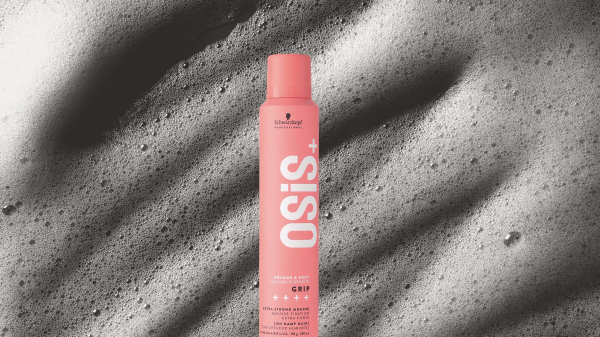
  • Schwarzkopf Recalled This Product Over Packaging Defect, Explosion Risk

    Schwarzkopf Recalled This Product Over Packaging Defect, Explosion Risk

    Image may contain Can Spray Can Tin and CosmeticsSchwarzkopf's mousse has been recalled in 12 states due to a packaging defect.Photos: Courtesy of brand; Getty ImagesSave StorySave this storySave StorySave this story

    The return of tanning, unregulated peptides, and now, exploding mousse? Just when this summer couldn’t get more apocalyptic, a packaging defect has led Schwarzkopf’s parent company, Henkel, to voluntarily recall its Osis Grip Extra Strong Mousse. The packaging defect noted on the product means that product “could leak from the package under pressure, which creates risk of explosion,” says the company’s statement. Allure has reached out to Henkel for additional comment.

    It’s a pretty wide-reaching recall (Oribe, for example, had a recall earlier this year for only two batches). That doesn’t mean it’s cause for concern, however. Henkel says it came after one customer and two salon reports. The customer said they had bruising on the hand, but relievingly, it doesn’t seem any cans have exploded yet.

    There were 25 batches noted in the recall, including 2901X4577N, 2901X4578N, 290265P91O, 290665Q30O, 290855N31O, 290866R38P, 290994281N, 291046L06P, 291174W17N, 291435H76O, 291435H77O, 291455N33O, 291515A59O, 291515A99O, 291515B01O, 291555N33O, 291615B01O, 291616B68P, 291716B69P, 291825E960, 291925E96O, 292015B73O, 2928Y538BO, 2928Y539BO, and 293066U32P. Those batches were distributed across Alaska, Arizona, California, Florida, Michigan, Missouri, New Jersey, Ohio, Pennsylvania, South Carolina, Texas, and Washington, having been sold to both professional hair stylists and beauty shoppers. “No other Henkel products are subject to this recall, and Schwarzkopf Professional Osis Grip 6.76 fl. Oz/200ml with codes not included in the recall are safe to use,” the company’s statement reaffirms.

    If you have an affected lot, Henkel says to return wherever you bought it for a full refund. If you’re not sure or have any other questions, the company is directing everyone to customer specialists at 1-800-234-4672.

    Henkel’s had a newsmaking year, albeit for less inflammatory reasons. In 2026 alone, it acquired both Olaplex and Not Your Mother’s hair-care brands.

  • 6 Best Tinted Moisturizers for Mature Skin

    6 Best Tinted Moisturizers for Mature Skin

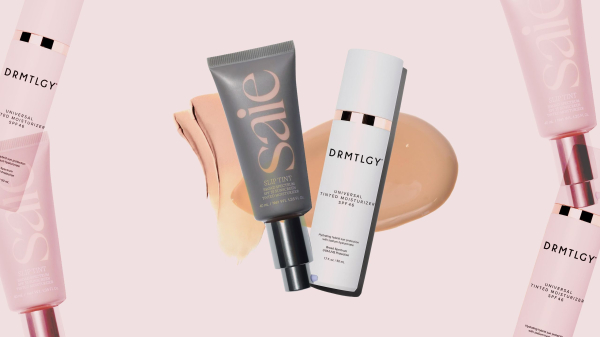
    Image contains a collage of the best tinted moisturizers for mature skin on a pink backgroundCollage: Paula Balondo; Source images: Courtesy of brandsSave StorySave this storySave StorySave this story

    The best tinted moisturizers for mature skin are less about covering everything up and more about working with what your skin needs now. As skin changes over time, concerns like dryness, uneven tone, fine lines, and redness tend to take priority over a heavy, perfected look—and that’s exactly where tinted moisturizers shine.

    Unlike traditional foundations, which can be great when you want more coverage or longevity, tinted moisturizers offer a lighter, more flexible approach to evening skin tone. Their pigments are suspended in hydrating bases, allowing them to smooth and soften the look of unevenness without emphasizing texture. Many formulas also contain ingredients such as hyaluronic acid, ceramides, and antioxidants that help keep skin comfortable throughout the day. Rather than aiming for a perfected finish, tinted moisturizers tend to create a more natural, skin-forward look that adapts easily to dryness, fine lines, and changes in texture throughout the day.

    Our Top Tinted Moisturizers for Mature Skin

    • Best Overall: Danessa Myricks Beauty Yummy Skin Soothing Serum Skin Tint, $39
    • Best for Dry Skin: Laura Mercier Tinted Moisturizer Natural Dewy SPF 30, $50
    • Best for Uneven Skin: DRMTLGY Universal Tinted Moisturizer SPF 46, $31
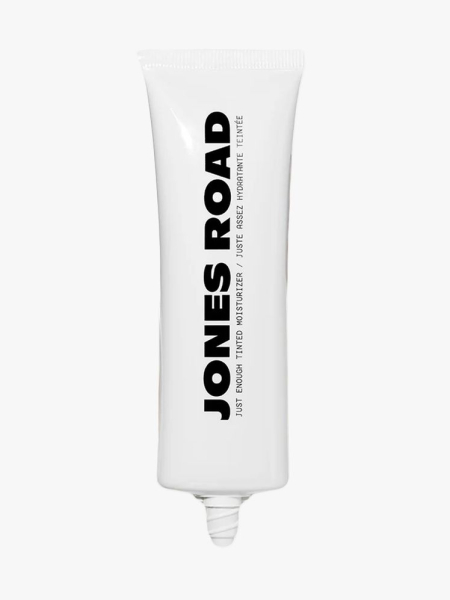
    • Best for Redness: Jones Road Just Enough Tinted Moisturizer, $44

    Frequently Asked QuestionsAccordionItemContainerButtonLargeChevron

    • What is tinted moisturizer?
    • Why is tinted moisturizer good for mature skin?
    • What's the difference between a tinted moisturizer, BB cream, and CC cream?
    • How to apply tinted moisturizer to mature skin
    • Meet the experts
    • How we test and review products
    • Our staff and testers

    Ahead, we’ve rounded up the best formulas that balance hydration, tone-evening, and a natural finish—so skin still looks like itself, just a little more polished.

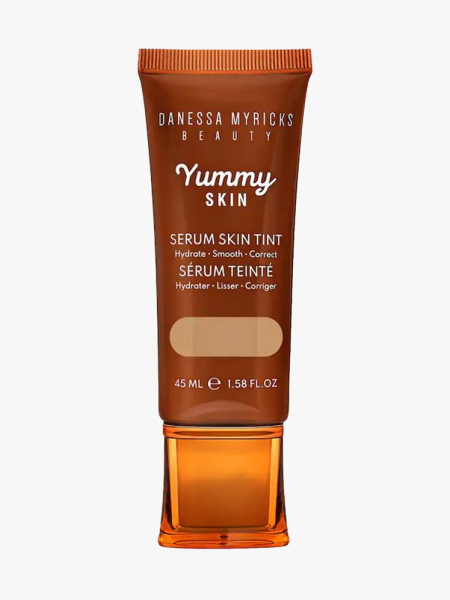
    Best Overall: Danessa Myricks Beauty Yummy Skin Soothing Serum Skin Tint

    Danessa Myricks Beauty Yummy Skin Soothing Serum Skin Tint in branded tube component on a light gray backgroundSave to wishlistSave to wishlist

    Danessa Myricks Beauty

    Yummy Skin Soothing Serum Skin Tint

    $39

    Sephora

    Why it’s worth it: Long before “inclusive shade ranges” became industry shorthand, Danessa Myricks Beauty was already creating formulas that actually work across undertones, depths, and skin types—especially deeper skin tones and mature skin concerns. Yummy Skin Soothing Serum Skin Tint, a 2024 Best of Beauty Award Winner, “is one of the best-performing hybrids between a tinted moisturizer and a foundation and gives the illusion of naturally healthy skin,” says Tonya Riner, a makeup artist based in Houston, Texas.

    The satin finish softly “blurs imperfections and wears beautifully, plus, the inclusive shade range means fair to deep skin tones can actually find a true match without having to mix and match,” she says. The vegan collagen peptides help smooth texture and plump fine lines, ceramides support and protect the skin barrier, and cactus extract delivers antioxidant hydration that keeps mature skin calm, comfortable, and fresh.

    Tester feedback from former beauty closet associate Edward Horgan

    AccordionItemContainerButtonLargeChevron

    “This skin tint has the perfect balance of coverage and glow that covers up my redness while still leaving my skin looking like my skin! It has a lightweight feel to it and works so well with any other product I layer on top of it; it’s my go-to for a reason.” —Edward Horgan, former beauty closet associate

    More to know

    AccordionItemContainerButtonLargeChevron

    • Key ingredients: ceramides, vegan collagen peptides, squalane, cactus extract
    • Shades: 20
    • Fragrance-free: yes

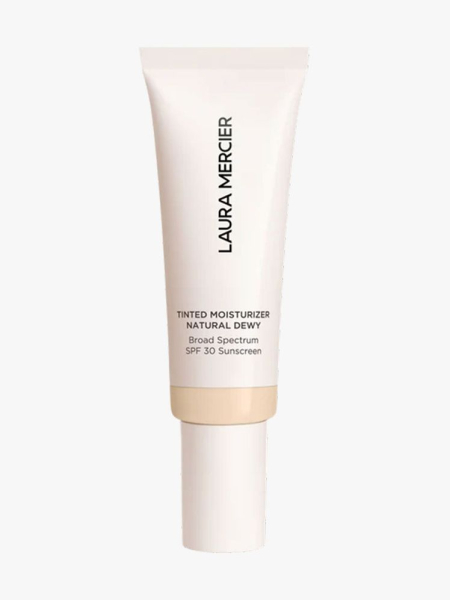
    Best for Dry Skin: Laura Mercier Tinted Moisturizer Natural Dewy SPF 30

    Image may contain: Bottle, Lotion, Cosmetics, and SunscreenSave to wishlistSave to wishlist

    Laura Mercier

    Tinted Moisturizer Natural Dewy SPF 30

    $50

    Amazon

    $50

    Ulta Beauty

    $50

    Sephora

    Why it’s worth it: The ’90s called, and they want their Laura Mercier Tinted Moisturizer back, but this icon has picked up a few skin-care tricks since its debut 30 years ago. The formula has gone through a few iterations, but the latest, Tinted Moisturizer Natural Dewy SPF 30, claims to bring back the magic of the original—only with a more nourishing, skin-care-forward upgrade.

    The medium coverage evens out tone while letting your actual skin shine through, with glycerin and sodium hyaluronate drawing in moisture for a plumper, smoother finish. Prebiotics, including alpha-glucan oligosaccharide, support the skin’s microbiome barrier, while upcycled black grape pomace extract is included to strengthen the moisture barrier and soften the appearance of fine lines over time. The formula also pairs chemical and mineral sunscreen filters—including octisalate, octocrylene, titanium dioxide, and zinc oxide—for SPF 30 protection to cover all your bases.

    Tester feedback from commerce market editor Sarah Hoffmann

    AccordionItemContainerButtonLargeChevron

    “I've long said that my ideal foundation is one that makes it look like you have perfect skin, not perfect makeup. Is this tinted moisturizer going to cover a big breakout or extreme discoloration? No, but it will subtly unify your skin tone for the appearance of naturally even, lovely skin. I'm dealing with a bit of discoloration on my forehead and chin right now, and this is the easiest, least-fussy base product I own for when I want an undetectable retouching effect. Bonus points for ease of application—the brand recommends using your fingers, and this entire process took less than one minute.” —Sarah Hoffmann, commerce market editor

    More to know

    AccordionItemContainerButtonLargeChevron

    • Key ingredients: glycerin, sodium hyaluronate, alpha-glucan oligosaccharide, upcycled black grape pomace extract, octisalate, octocrylene, titanium dioxide, and zinc oxide
    • Shades: 20
    • Fragrance-free: yes

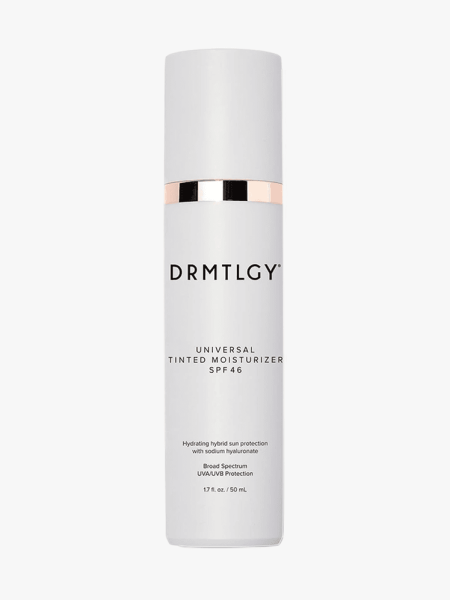
    Best for Uneven Tone: DRMTLGY Universal Tinted Moisturizer SPF 46

    DRMTLGY Universal Tinted Moisturizer SPF 46 in branded component on a light gray backgroundSave to wishlistSave to wishlist

    DRMTLGY

    Universal Tinted Moisturizer SPF 46

    $31

    Amazon

    Why it’s worth it: With a single sheer, universal tint available in dewy and matte finishes, DRMTLGY Universal Tinted Moisturizer SPF 46 isn’t here to replace your foundation. Instead, it subtly evens out the complexion while delivering a boost of hydration and sun protection. DRMTLGY (a vowel-free play on “dermatology”) loads the formula with mature skin-friendly hydrators, including glycerin and sodium hyaluronate, a form of hyaluronic acid that draws water into the skin, plus vitamin E to condition and soften.

    “This is a great choice for aging skin because it combines hydration with natural tinted coverage that doesn’t look heavy or settle into fine lines,” says Marisa Garshick, MD, a board-certified dermatologist in New York City. She also notes niacinamide, which supports the skin barrier and can help improve the appearance of uneven tone over time. Even though it’s a hybrid formula (with 12% zinc oxide and 7.5% octinoxate), the tint blends in so seamlessly that it’s easy to reapply throughout the day.

    More to know

    AccordionItemContainerButtonLargeChevron

    • Key ingredients: glycerin, sodium hyaluronate, vitamin E, niacinamide, 12% zinc oxide and 7.5% octinoxate
    • Shades: 1
    • Fragrance-free: yes

    Best for Redness: Jones Road Just Enough Tinted Moisturizer

    Jones Road Just Enough Tinted Moisturizer in branded tube component on a light gray backgroundSave to wishlistSave to wishlist

    Jones Road

    Just Enough Tinted Moisturizer

    $44

    Shop

    $44

    Jones Road

    Why it’s worth it: While Jones Road’s Just Enough Tinted Moisturizer doesn’t use traditional calming ingredients, “its ability to hide redness so well and still make the skin look natural and glowy needs to be studied,” says ​Kierra Lanice Wray, a makeup artist based in Lansing, Michigan. And, rather than relying on the green-tinted correctors typically used to cancel redness, it uses a finely tuned blend of iron oxides and titanium dioxide to subtly even tone, while silica softly diffuses unevenness without ever looking heavy. Glycerin and hyaluronic acid keep skin hydrated and comfortable, which is ideal for preventing dryness that can make irritation more noticeable—and help pigment glide on smoothly instead of settling into fine lines.

    More to know

    AccordionItemContainerButtonLargeChevron

    • Key ingredients: iron oxides, titanium dioxide, glycerin, hyaluronic acid
    • Shades: 16
    • Fragrance-free: yes

    Best for Wrinkles: Saie Slip Tint SPF 35 Tinted Moisturizer

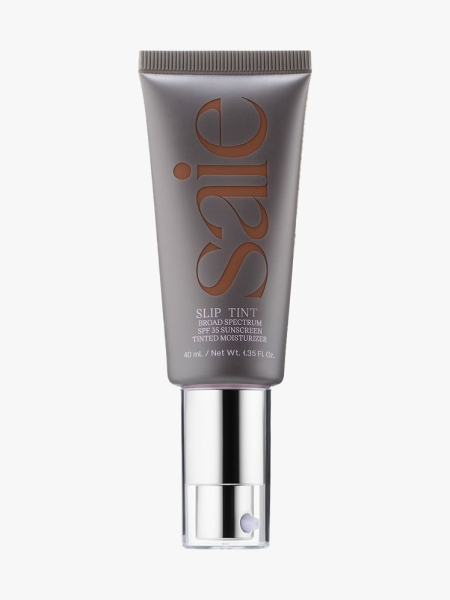
    Saie Slip Tint Dewy Tinted Moisturizer SPF 35 Sunscreen gray tube with silver cap on light gray backgroundSave to wishlistSave to wishlist

    Saie

    Slip Tint SPF 35 Tinted Moisturizer

    $38

    Amazon

    $38

    Sephora

    $38

    Credo Beauty

    Why it’s worth it: The Allure Best of Beauty Award-winning Saie Slip Tint Dewy Tinted Moisturizer is especially beloved for what it does beyond offering sheer coverage—namely, how much brighter and more awake it makes skin look. Along with mineral SPF 35, the formula pulls real weight on the glow front. Antioxidant-rich pansy flower helps support radiance, while licorice root extract (an ingredient known to help with evening out tone) works to subtly brighten and refine the look of skin over time. Hyaluronic acid delivers hydration that gives skin bounce, and zinc oxide adds a soft, naturally radiant veil. Available in 14 shades, it melts seamlessly into skin instead of sitting on top or settling into fine lines—leaving behind a smooth, naturally radiant finish.

    Tester feedback from senior commerce director Shanna Shipin

    AccordionItemContainerButtonLargeChevron

    “Sun protection, a moisturizer-like feel, and buildable coverage while feeling like absolutely nothing is on your face? Groundbreaking.” —Shanna Shipin, senior commerce director

    More to know

    AccordionItemContainerButtonLargeChevron

    • Key ingredients: zinc oxide (20%), pansy flower extract, licorice root extract
    • Shades: 14
    • Fragrance-free: yes

    Best with SPF: Isdin Eryfotona Ageless Tinted Mineral Sunscreen

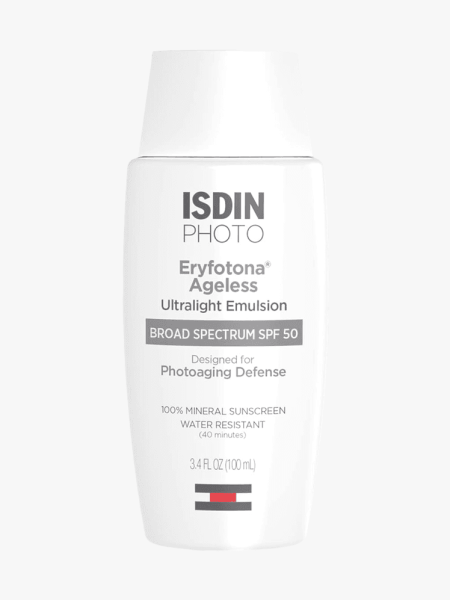
    Isdin Eryfotona Actinica Ageless Tinted Mineral Sunscreen SPF 50 in branded component on a light gray backgroundSave to wishlistSave to wishlist

    Isdin

    Eryfotona Ageless Tinted Mineral Sunscreen

    $50

    Amazon

    $50

    Dermstore

    $50

    Sephora

    Why it’s worth it: Think of Isdin’s Eryfotona Ageless Tinted Mineral Sunscreen SPF 50 as sunscreen with benefits: Its primary job is mineral UV protection, while a sheer tint and skin-care ingredients give you some of the complexion perks of a tinted moisturizer. The formula relies on 10.7% zinc oxide for 100% mineral UVA and UVB protection, a particularly good fit for mature skin that’s also sensitive. As for those skin-care benefits, the brand’s patented “DNA Repairsomes use plankton-derived photolyase enzymes to address existing signs of sun damage, while peptides soften the look of fine lines,” says Maya Thosani, MD, a board-certified dermatologist based in Scottsdale, Arizona. Antioxidant vitamins C and E, plus hydrating glycerin and panthenol, round out the formula.

    Tester feedback from contributing commerce editor Deanna Pai

    AccordionItemContainerButtonLargeChevron

    “My mineral sunscreens have to be tinted—I have too much pigment in my skin to deal with the chalkiness. My skin is a medium olive with neutral undertones. I love that this pulls double duty to not only protect my skin from sun damage but also actively works to even out my skin tone. That’s a big deal since I, like most people with deeper skin, am very prone to dark spots. Plus, it smells and feels like nothing.” –Deanna Pai, contributing commerce editor

    More to know

    AccordionItemContainerButtonLargeChevron

    • Key ingredients: zinc oxide (10.7%), palmitoyl tripeptide-38, plankton extract, vitamin C, vitamin E, photolyase enzymes, glycerin, panthenol
    • Shades: 1
    • Fragrance-free: yes

    Frequently Asked Questions

    What is tinted moisturizer?

    A tinted moisturizer is exactly what it sounds like: a tinted cream, gel, or lotion that puts moisture first, with just enough pigment to subtly even skin tone. These formulas deliver skin care benefits that help replenish hydration while offering light coverage to softly blur fine lines, blemishes, and discoloration—much more sheer than traditional foundation, since they’re designed to treat skin as much as they tint it.

    Because the tint is typically buildable and flexible, tinted moisturizers tend to work across a wide range of skin tones, even when the shade range is smaller than that of full-coverage formulas. The payoff is a natural look with a comfortable, second-skin feel rather than anything cakey or mask-like.

    Their lightweight textures also mean they’re less likely to crease or settle throughout the day, and many deliver a soft, dewy finish that mimics healthy, well-hydrated skin. Regardless of age, tinted moisturizers are an easy addition to both your skin care and makeup routines—especially if you like barely-there coverage and want to skip extra steps like primer.

    Why is tinted moisturizer good for mature skin?

    While the best moisturizer for your skin will depend on your baseline skin type and individual concerns, some qualities matter more than others when you’re in your 40s and beyond. “I generally choose tinted sunscreens with easy-to-blend textures and buildable coverage for mature skin,” says New York City-based makeup artist Suzy Gerstein. This way, there is ample coverage to conceal, say, dark spots, but the blendable textures keep the makeup from settling into fine lines and wrinkles.

    What's the difference between a tinted moisturizer, BB cream, and CC cream?

    According to Neil Scibelli, a makeup artist based in New York City, tinted moisturizers tend to have a sheerer tint and texture than BB creams, a.k.a. beauty balms. “Tinted moisturizers typically feature a sheer blend of a hydrating cream with a tint of complexion coverage, and depending on the product, some offer SPF,” he explains. The name of this category simply says it all: they’re just facial moisturizers with a tint.

    Meanwhile, CC cream stands for a color-correcting cream containing pigments that neutralize discoloration like dark spots, whereas a tinted moisturizer doesn’t necessarily color-correct. “A CC cream will help address redness, hyperpigmentation (dark spots), sun spots, and uneven skin tone, while also containing moisturizing ingredients and oftentimes SPF,” Scibelli adds. CC cream can also be just that—a cream—whereas tinted moisturizers tend to have a lighter texture.

    How to apply tinted moisturizer to mature skin

    For the most natural finish, “I like to warm my palms together and press them onto the face a couple of times,” says Gerstein. “This helps melt the product into the skin so that it becomes one with it.” Scibelli adds that you can use your opposite hand as a palette to grab and layer product if you're not sure how much to apply. “If you have areas that may need additional coverage, you can go back in and layer a bit more of your tinted moisturizer onto those areas,” he says. “I like to use a brush with fluffier bristles so there's no streaking and it goes on evenly.”

    Meet the experts

    • Suzy Gerstein, a makeup artist based in New York City
    • Tonya Riner, a makeup artist based in Houston, Texas
    • Neil Scibelli, a makeup artist based in New York City
    • Maya Thosani, MD, a board-certified dermatologist at Modern Dermatology, based in Scottsdale, Arizona
    • ​Kierra Lanice Wray, a makeup artist based in Lansing, Michigan

    How we test and review products

    Before reviewing any makeup, we ask questions about a number of factors: What ingredients are in it? Does the brand offer a wide shade range inclusive of consumers with all skin tones and undertones? Is it safe for readers who have sensitive skin or wear contact lenses? Is it on the affordable side or more of a splurge? Is its packaging consciously designed or needlessly wasteful?

    For our review of the best tinted moisturizers for mature skin, we enlisted the help of multiple editors, writers, contributors, and makeup artists to review the products. This ensures our testing base spans different skin tones, genders, and dermatological conditions. We considered each product's performance across four primary categories: ingredients, wear and longevity, packaging, and inclusivity. For more on what's involved in our reporting, check out our complete reviews process and methodology page.

    Our staff and testers

    A beauty product is a personal purchase. You might be searching for a face cream to address persistent dryness or a new nail product to add to your Sunday self-care routine; you may simply be browsing around for the latest launches to hit the hair market. No matter what you seek or your individual needs and concerns, Allure wants to ensure that you love anything we recommend in our stories. We believe that having a diverse team of writers and editors—in addition to the wide range of outside testers and industry experts we regularly call upon—is essential to reaching that goal.

    After all, can we really say a skin-care product is the "best" for people over 50 if the only testers we've solicited opinions from folks who have yet to hit 30? Can we honestly deem a high-end diffuser worthy of your hard-earned cash if it's never been tested on curls? We're proud that our staff spans a wide range of ages, skin tones, hair textures, genders, and backgrounds, which means that we are able to fairly assess any beauty product that comes into the beauty closet.

  • 7 Best Eyebrow Pencils for Older Women with Wiry or Thinning Brows

    7 Best Eyebrow Pencils for Older Women with Wiry or Thinning Brows

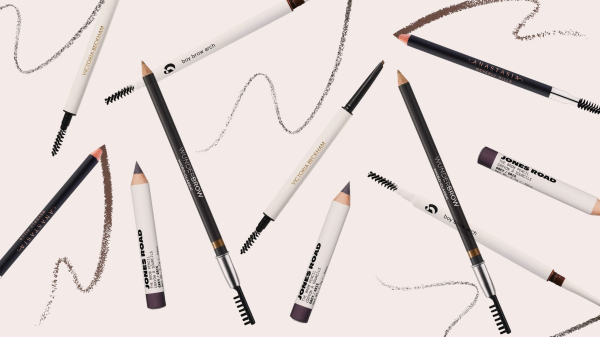
    A collage of brow pencils on a pink backgroundCollage: Jemeria Davison; Source images: Courtesy of brandsSave StorySave this storySave StorySave this story

    As brows become sparser, finer, or lighter with age, the best eyebrow pencils for older women can make a big difference. Over time, brow hairs may also become more wiry, while the skin underneath can develop more texture—meaning the brow pencil that you’ve always used can suddenly look too harsh or be harder to apply. Luckily, our favorite formulas for mature brows come in nuanced, realistic shades (including options for gray hair) with fine tips and blendable textures that make it easier to add definition without looking drawn on.

    Even though brows don’t take up much real estate, a little definition can make a surprisingly big difference. “Brows frame the shape of the face and restore contrast,” says ​Kierra Lanice Wray, a makeup artist based in Lansing, Michigan. As brow hairs lighten or thin, “you start to lose shape and definition,” she says, which can make the eyes appear less lifted.

    Our Top Eyebrow Pencils for Older Women

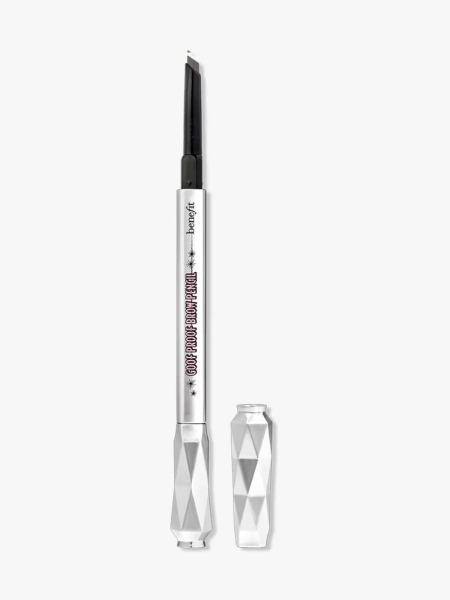
    • Best for Fully Gray Brows: Benefit Goof Proof Waterproof Easy Shape & Fill Eyebrow Pencil in Cool Grey, $28
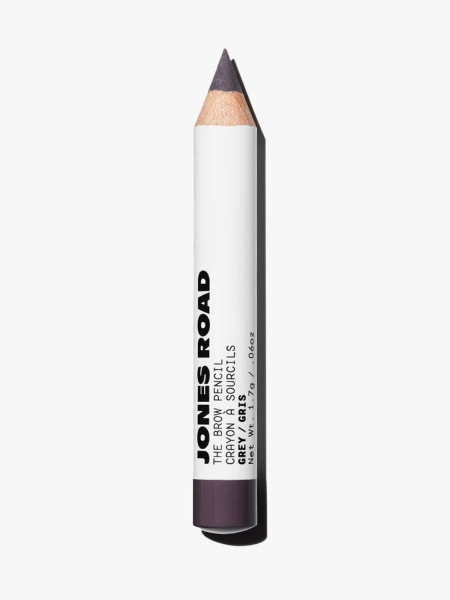
    • Best for Dark Hair Going Gray: Jones Road the Brow Pencil in Grey, $22
    • Best for Salt-and-Pepper Brows: Wunderbrow Micro-Classic Easy Fill Brow Pencil in Taupe Grey, $10
    • Best for Wiry/Textured Brows: Kosas Brow Pop Dual Action, $26

    And if your hair has gone gray, Wray cautions against automatically reaching for the shade you used years ago. “Gray isn’t a lighter shade of brown; it’s its own color and lacks pigment,” she says. Rather than drawing on a whole new brow—which can create harsh contrast—the goal is to softly fill sparse areas and define the shape you already have. Ahead, we rounded up the best eyebrow pencils for older women to do exactly that.

    Frequently Asked QuestionsAccordionItemContainerButtonLargeChevron

    • How do you choose your eyebrow pencil shade for gray brows?
    • How do you avoid harsh-looking brows?
    • Meet the experts
    • How we test and review products
    • Our staff and testers

    Best for Fully Gray Brows: Benefit Cosmetics Goof Proof Brow Pencil in Cool Grey

    Benefit Goof Proof Waterproof Easy Shape & Fill Eyebrow Pencil in Cool Grey in branded component on a light gray backgroundSave to wishlistSave to wishlist

    Benefit Cosmetics

    Goof Proof Brow Pencil in Cool Grey

    $28

    Nordstrom

    $28

    Ulta Beauty

    Why it's worth it: Benefit Cosmetics has been in the brow game for so long that most of us have owned at least one of their pencils at some point. If your brows are entirely gray, the brand’s Goof Proof Easy Shape & Fill Pencil in Cool Grey is as universally flattering as it gets. When brows turn gray, undertone matters: too warm reads unnatural, while overly ashy can veer chalky and dull. “This cool-toned shade keeps gray brows looking natural and believable,” says Tonya Riner, a makeup artist based in Houston, Texas.

    The retractable, angled tip makes shaping intuitive and eliminates the need for sharpening, so the stroke width stays consistent and harder to overdo. “Use the angled edge to fill in sparse areas, then switch to the finer point to add hair-like strokes,” she adds. The attached spoolie brush lets you comb through pigment to soften edges and blur any heavy spots for a more natural finish. And the smooth, castor-oil–based formula blends easily, then sets into long-lasting, 12-hour wear without smudging.

    More to know

    AccordionItemContainerButtonLargeChevron

    • Key ingredients: castor oil, beeswax
    • Shades: 12
    • Features: built-in spoolie, waterproof formula
    • Who it’s for: people with full gray brows

    Best for Dark Hair Going Gray: Jones Road the Brow Pencil in Grey

    Jones Road the Brow Pencil in Grey in branded component on a light gray backgroundSave to wishlistSave to wishlist

    Jones Road

    The Brow Pencil in Grey

    $24

    Jones Road

    Why it's worth it: Choosing a pencil shade for brunettes or black hair that is starting to gray can be tricky, as warmer browns often look too red, while ashy tones can fall flat or chalky. Jones Road’s Brow Pencil adds fullness without laying down a block of heavy color. “This pencil has tiny hair-like fibers in it to create the look of full, natural brows,” says New Jersey-based makeup artist Denise Del Russo. Shea butter, castor seed oil, and plant waxes like candelilla and carnauba give the formula a smooth glide and extra softening, while the jumbo format of the pencil format makes it easier for makeup novices to create light, feathery strokes. “You can fill them in faster and more easily,” says Wray—which makes everyday shaping feel intuitive.

    For the most natural-looking finish, Del Russo recommends pairing it with “a slanted brow brush and spoolie” to shape, blend, and soften the pigment so it meshes seamlessly with both darker and newly gray brow hairs.

    More to know

    AccordionItemContainerButtonLargeChevron

    • Key ingredients: castor oil, shea butter, candelilla wax, carnauba wax
    • Shades: 6
    • Who it’s for: people with wiry or textured brows who still want fullness

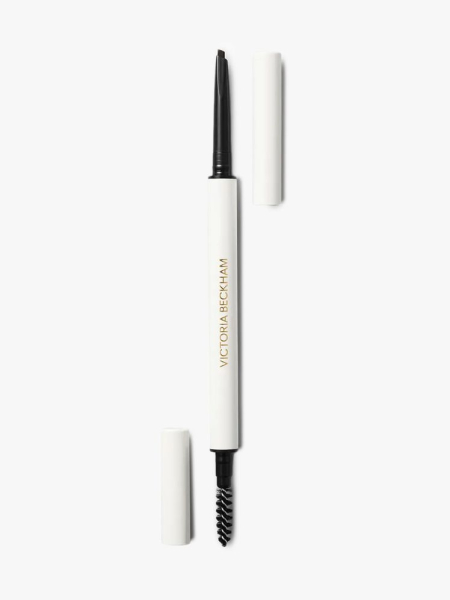
    Best for Blonde Hair Going Gray: Victoria Beckham Beauty BabyBlade Eyebrow Pencil in Taupe

    Victoria Beckham BabyBlade Eyebrow Pencil in Taupe in branded component on a light gray backgroundSave to wishlistSave to wishlist

    Victoria Beckham Beauty

    BabyBlade Eyebrow Pencil in Taupe

    $35

    Nordstrom

    $35

    Bluemercury

    Why it's worth it: Blonde brows transitioning to gray can lose both definition and depth, so finding a pencil that stays cool, precise, and natural becomes key. Victoria Beckham’s BabyBlade Eyebrow Pencil handles all three. “This is my favorite for blondes because the taupe is perfectly cool-toned,” says Riner. “The ultra-fine tip makes it nearly impossible to overdo it, so you always end up with a soft, natural, and flattering shape.” The long-wear formula glides on cleanly, but it also treats the brows as it fills: Camellia japonica oil delivers antioxidant-rich hydration, while rosehip seed oil brings essential fatty acids to help keep the skin and brow hairs supple. Each stroke gets you a fuller, better-defined brow that complements blonde-to-gray tones without too much warmth.

    More to know

    AccordionItemContainerButtonLargeChevron

    • Key ingredients: camellia japonica oil, rosehip seed oil
    • Shades: 6
    • Features: built-in spoolie
    • Who it’s for: people with lighter hair tones going gray

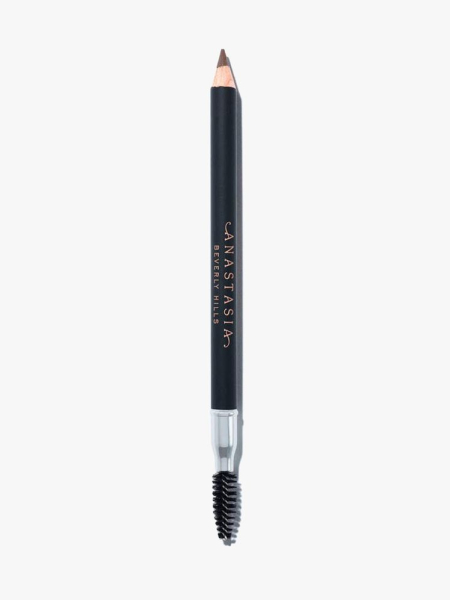
    Best for Reddish Hair Going Gray: Anastasia Beverly Hills Fill & Define Brow Pencil in Caramel

    Anastasia Beverly Hills Dual-Ended Fill & Define Powder Perfect Brow Pencil in Caramel in branded component on a light gray backgroundSave to wishlistSave to wishlist

    Anastasia Beverly Hills

    Dual-Ended Fill & Define Powder Perfect Brow Pencil in Caramel

    $26

    Amazon

    $26

    Nordstrom

    $26

    Ulta Beauty

    Why it's worth it: Only 1 to 2% of the world’s population has naturally red hair, which makes red brows a niche all their own, especially once gray starts to enter the picture. The undertone has to stay convincing without going brassy or flat, and it’s easy for a brow pencil to look too heavy. Anastasia Beverly Hills’ Dual-Ended Fill & Define Powder Perfect Brow Pencil in Caramel (light red) or Auburn (soft, deeper red) strikes the right balance for most redheads, says Wray. “While many people do enjoy a mechanical pencil, this traditional wooden pencil has a softer, powder-like formula to look more natural for red hair,” says Wray. “It's very beginner-friendly with a spoolie on the end to brush and blur imperfections.” Mica and plant oils help the color glide and diffuse into a believable finish.

    More to know

    AccordionItemContainerButtonLargeChevron

    • Key ingredients: mica, vegetable oil, cottonseed oil
    • Shades: 8
    • Features: built-in spoolie
    • Who it’s for: redheads going gray

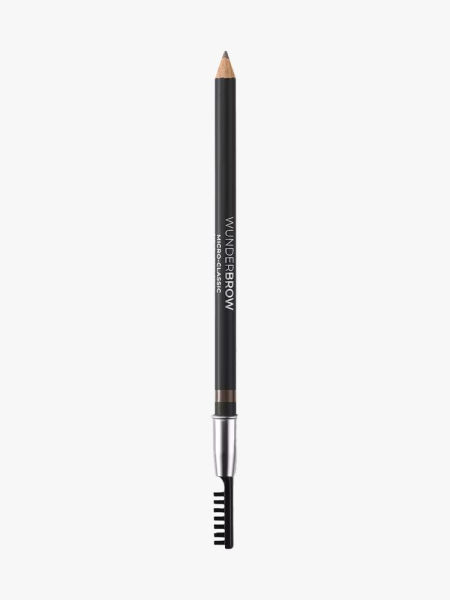
    Best for Salt-and-Pepper Brows: Wunderbrow Micro-Classic Easy Fill Brow Pencil in Taupe Grey

    Wunderbrow Micro-Classic Easy Fill Brow Pencil in Taupe Grey light gray and black eyebrow pencil on light gray backgroundSave to wishlistSave to wishlist

    Wunderbrow

    Micro-Classic Easy Fill Brow Pencil in Taupe Grey

    $6 $5 (17% off)

    Amazon

    $10

    Ulta Beauty

    Why it's worth it: Salt-and-pepper brows can look multidimensional and striking, but finding the right balance takes some finesse: A shade that disappears into darker hairs can look stark against silver strands, while overly matte pigment can flatten all that natural dimension. Wunderbrow’s Micro-Classic Easy Fill Brow Pencil in Taupe Grey is a cool-toned shade that complements gray and silver strands without the warmth of a traditional brown, while its “micro-fine tip keeps the finished result from looking heavy,” says Del Russo.

    The formula combines lightweight emollients with carnauba wax for smooth, controlled application, while silica contributes to its silky feel. Instead of the standard spoolie on the opposite end, “it has a comb to brush through brows,” she adds—a particularly handy swap for wiry or coarse brows, since the individual teeth can separate and coax hairs into place with more precision.

    More to know

    AccordionItemContainerButtonLargeChevron

    • Key ingredients: carnauba wax, silica
    • Shades: 4
    • Features: built-in comb, included sharpener
    • Who it’s for: people with salt-and-pepper or graying brows

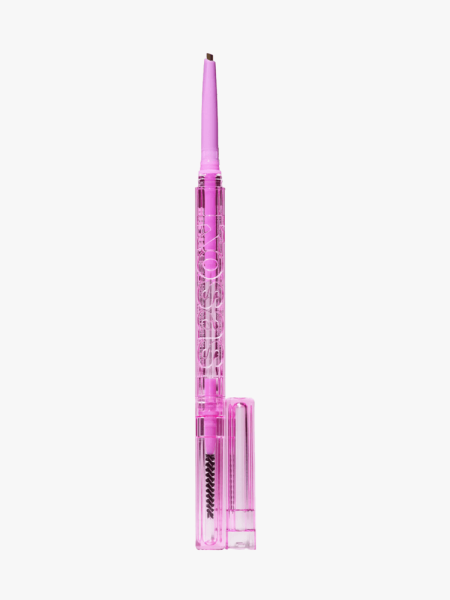
    Best for Wiry/Textured Brows: Kosas Brow Pop Dual Action

    Kosas branded pink brow pencil component on light gray backgroundSave to wishlistSave to wishlist

    Kosas

    Kosas Brow Pop Dual Action

    $26

    Sephora

    $26

    Revolve

    $26

    Credo Beauty

    Why it's worth it: Aging often shifts the texture of brow hair, making it coarser and more wiry. “For mature clients, I find that the softer and creamier to medium-firmness of Kosas’ Brow Pop Dual Action works well,” says Del Russo. “It doesn’t require a lot of pressure when applying, glides on smoothly, and doesn’t smudge or smear.”

    The slim tip lets you sketch precise, hair-like strokes around coarser strands, while nourishing jojoba oil, hydrogenated castor oil, and panthenol give the formula a smoothness that’s especially helpful on mature skin. Del Russo’s finishing touch for especially unruly brows: Sweep a tinted brow gel like the Kosas Air Brow Tinted Gel over top to hold hairs in place and add fullness.

    More to know

    AccordionItemContainerButtonLargeChevron

    • Key ingredients: castor oil, panthenol, jojoba oil
    • Shades: 10
    • Features: built-in spoolie
    • Who it’s for: everyone, especially those with wiry brows

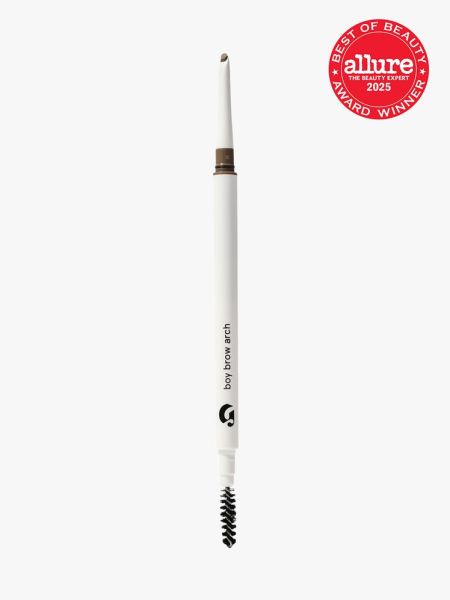
    Best for Thinning Brows: Glossier Boy Brow Arch

    Glossier Boy Brow Arch in branded white twist up pencil applicator with brush tip on light gray background with red Allure Best of Beauty seal in the top right cornerSave to wishlistSave to wishlist

    Glossier

    Boy Brow Arch

    $24

    Sephora

    $24

    Glossier

    Why it's worth it: The fewer brow hairs you have to work with, the more every pencil stroke counts—and a precise tip makes creating natural-looking fullness and definition much easier. Glossier’s Boy Brow Arch has a pointed edge for sketching fine, hair-like flicks into sparse spots, while the flat edge shades larger gaps with ease. “The rich, pomade texture also helps the brows appear fuller and stay in place,” says Del Russo, while coconut-derived emollients give the formula enough creaminess to glide on without a heavy hand.

    And if thinning goes beyond a few scattered gaps? Staying power becomes even more important. “If I find myself having to completely draw in a faux brow because the brows are so sparse, a water-resistant, smudge-proof brow product like this is best,” Del Russo says, since you don’t want all that carefully placed definition sliding around.

    More to know

    AccordionItemContainerButtonLargeChevron

    • Key ingredient: coconut emollients
    • Shades: 9
    • Features: built-in spoolie
    • Who it’s for: everyone, especially those with thinning brows that need precise definition

    Frequently Asked Questions

    How do you choose your eyebrow pencil shade for gray brows?

    Choosing a brow pencil for mature women with gray brows comes down to finding the right balance of tone and depth. “If your brows are salt and pepper, when looking for a brow product, go with the lighter or most neutral option to soften the brows and overall appearance of the face,” says Wray. She recommends “going slightly lighter and more neutral as the brows lose pigment.” Go too far in either direction and the effect shifts: “Too light and the brows begin to disappear, and too dark makes them look overly dramatic.” A neutral, softly cool tone usually lands in that flattering middle ground.

    How do you avoid harsh-looking brows?

    For natural-looking brows, Wray says the trick is to mimic what your existing brow hairs already do rather than adding heavy or overly defined strokes. “I always recommend using light pressure and creating short, hair-like strokes,” she says. Instead of drawing new brows on top, you’re “filling in negative space within the brow.” The order matters too: “Your brows should go from light to dark and thick to thin,” so concentrate on defining the tail and arch first, then work toward the center of the face to get natural definition.

    Meet the experts

    • Denise Del Russo, a makeup artist based in New Jersey
    • Tonya Riner, a makeup artist based in Houston, Texas
    • ​Kierra Lanice Wray, a makeup artist based in Lansing, Michigan

    How we test and review products

    Before reviewing any makeup, we ask questions about a number of factors: What ingredients are in it? Does the brand offer a wide shade range inclusive of consumers with all skin tones and undertones? Is it safe for readers who have sensitive skin or wear contact lenses? Is it on the affordable side or more of a splurge? Is its packaging consciously designed or needlessly wasteful?

    For our review of the best eyebrow pencils for older women, we enlisted the help of multiple editors, writers, contributors, cosmetic chemists, and professional makeup artists to review the products. This ensures our testing base spans different skin tones, genders, and dermatological conditions. We considered each product’s performance across four primary categories: ingredients, wear and longevity, packaging, and inclusivity. For more on what's involved in our reporting, check out our complete reviews process and methodology page.

    Our staff and testers

    A beauty product is a personal purchase. You might be searching for a face cream to address persistent dryness or a new nail product to add to your Sunday self-care routine; you may simply be browsing around for the latest launches to hit the hair market. No matter what you seek or your individual needs and concerns, Allure wants to ensure that you love anything we recommend in our stories. We believe that having a diverse team of writers and editors—in addition to the wide range of outside testers and industry experts we regularly call upon—is essential to reaching that goal.

    After all, can we really say a skin-care product is the "best" for people over 50 if the only testers we’ve solicited opinions from folks who have yet to hit 30? Can we honestly deem a high-end diffuser worthy of your hard-earned cash if it’s never been tested on curls? We’re proud that our staff spans a wide range of ages, skin tones, hair textures, genders, and backgrounds, which means that we are able to fairly assess any beauty product that comes into the beauty closet.

  • How to Take Care of Your Natural Hair If You Have Scalp Eczema

    How to Take Care of Your Natural Hair If You Have Scalp Eczema

    scalp eczemaAdobe StockSave StorySave this storySave StorySave this story

    If you are wearing your hair in its natural texture, unmanipulated by heat or chemicals, but also managing scalp eczema, keeping your natural hair healthy can be a bit complicated. Between flakes that hide under coils, itches that show up mid-style, and products that promise moisture but deliver flare-ups instead, it’s easy to feel like your hair and your scalp are working against each other.

    The good news is dermatologists say you don’t have to choose between embracing your natural texture and calming your scalp. Below, find doctor-approved tips on how to keep your eczema in check so your hair and scalp can look and feel their best

    Meet the experts:

    • Jeanine Downie, MD, a dermatologic surgeon in Montclair, New Jersey.
    • Tanya Kormeili, MD, a board-certified dermatologist and founder of Derm & Rejuvenation Institute, based in Santa Monica.
    • Nicole Negbenebor, MD, a board-certified dermatologist at University of Iowa Health Care.
    • Purvisha Patel, MD, a board-certified dermatologist in Memphis.
    • Heather Woolery-Lloyd, MD, FAAD, a board-certified dermatologist in Miami.

    In this story:

    • Understanding scalp eczema
    • Why scalp eczema affects Black women more
    • Identifying your triggers
    • Treatment options
    • Minimizing future flare-ups

    Understanding scalp eczema

    There are actually seven types of eczema, but a lot of the time when people say “eczema,” they are referring to atopic dermatitis, the most common of these inflammatory skin conditions. “Atopic dermatitis tends to run in families and causes sensitive, dry, and itchy skin,” explains Heather Woolery-Lloyd, MD, the director of the University of Miami Miller School of Medicine’s Skin of Color Division. The impacted patches are discolored and can be crusty, scaly, or oozy.

    Atopic dermatitis affects the skin barrier, which Dr. Woolery-Lloyd describes using a brick-and-mortar analogy: Skin cells are the bricks, and the body’s natural lipids are the mortar holding them together. If you have atopic dermatitis, a genetic mutation can affect the structural proteins—including a notable one called filaggrin—that help maintain the skin’s structure, leaving the skin barrier compromised. Dr. Woolery-Lloyd likens this to cracked bricks with weakened mortar between them. This allows moisture to escape and irritants to sneak in. People with atopic dermatitis also have an overactive immune system, which can trigger inflammation. The result: an uncomfortable itch. Scratching may provide relief in the moment, but “it damages the barrier further, trapping people in a frustrating itch-scratch cycle,” Dr. Woolery-Lloyd says.

    Atopic dermatitis can happen anywhere, including the scalp, but it isn’t the only form of eczema that shows up on the top of your head. Other possibilities are seborrheic dermatitis and contact dermatitis. Seborrheic dermatitis often occurs when your immune system overreacts to a type of natural yeast that lives on the skin, which triggers flaking and scaling. (Dandruff is actually a mild form of seborrheic dermatitis.) With contact dermatitis, a product like a soap or chemical irritates the skin or causes an allergic reaction, leading to symptoms like itching, discoloration, swelling, or even blisters.

    Why scalp eczema affects Black women more

    Many health care providers aren’t familiar with how eczema presents on darker skin, which can make getting a diagnosis more challenging. While eczema sometimes appears red or pink on fairer skin tones, it may look skin-colored, gray, darker, or lighter than the surrounding area on melanin-rich skin, says Nicole Negbenebor, MD, a clinical assistant professor of dermatology at the University of Iowa.

    This failure to recognize the signs of eczema on darker skin is common partly because of medical training. Historically, the representation of melanin-rich skin in dermatology textbooks and clinical image databases has been lacking. Jeanine Downie, MD, a dermatologic surgeon in Montclair, New Jersey, adds that patients of color have also been underrepresented in clinical trials, leaving important gaps in understanding how conditions may present across different populations.

    Diagnosing scalp eczema can be especially complicated, in part because it shares symptoms with other skin conditions. One of those conditions is tinea capitis, a fungal infection that Black women are at higher risk of developing. In fact, tinea capitis in Black children is often mistaken for seborrheic dermatitis, since the two conditions can look very similar. As a result, people of color may face delays in getting the correct diagnosis of whichever condition they actually have, which can significantly worsen symptoms either way.

    Another factor is that hair-care practices common in the Black community can cause women of color to experience more severe scalp-eczema symptoms, Dr. Woolery-Lloyd says. For example, styling techniques like glue-in extensions can irritate an already inflamed scalp, and layering multiple products, common in textured hair-care routines, increases the likelihood of encountering a trigger ingredient that causes a flare-up.

    But all of that doesn’t mean you’re doomed to struggle with an itchy, flaky scalp for the rest of your life. Here is what dermatologists want you to know.

    First things first: Identify your triggers

    Not every natural hairstyle or styling product plays nicely with an eczema-prone scalp, and being aware of the most common triggers can help you know what to look out for. Remember, though, that the below list isn’t exhaustive. If you’re trying a new product, test it first. Placing a dab behind the ear and leaving it on for 24 to 48 hours can help catch a problem ingredient early.

    Fragrances and essential oils

    “These are some of the most common triggers for scalp-eczema flares,” says Dr. Negbenebor. Even products marketed as “natural” or “clean” can be irritating, and it’s a misconception that natural ingredients are always safer, she adds. While almost any fragrance or essential oil could do you wrong, depending on your triggers, Tanya Kormeili, MD, a board-certified dermatologist and founder of Derm & Rejuvenation Institute, based in Santa Monica, points to a few known irritants to watch for: tea tree, cinnamon, and rosemary.

    Heavy oils and butters

    Natural-hair routines can lean hard on oils, and sadly, that may work against you. Purvisha Patel, MD, a board-certified dermatologist in Memphis, says the yeast that often drives seborrheic dermatitis needs warmth and moisture to thrive, and many textured-hair staples, that include thick ingredients like shea butter and cocoa butter, can trap sweat and heat against the scalp, which may worsen the condition, Dr. Negbenebor explains. Switching to a lighter product like SEEN Restore Scalp Serum, which has a National Eczema Association Seal of Acceptance, may help improve your symptoms.

    Preservatives and adhesives

    The acrylates, latex, or solvents often used in hair-bonding glues can act as potent irritants when applied directly to an already irritated scalp, says Dr. Woolery-Lloyd. Preservatives like methylisothiazolinone, common in water-based products like hair masks, leave-in serums and treatments, and styling products to extend shelf life, can be similarly aggravating.

    Adhesives from wigs and weaves are another common trigger worth watching, along with the tape and glue used in some bonding or tape-in methods.

    Know your treatment options

    Plain dandruff and a more inflamed seborrheic dermatitis flare-up aren’t always easy to tell apart on your own, but the timeline is a good clue. Dr. Negbenebor’s rule of thumb: a drugstore medicated shampoo like Head & Shoulders should start resolving ordinary dandruff within several days to a week. If it doesn’t or if you’re also seeing inflammation, thick crusts, cracking, or bleeding, that’s a sign you’re dealing with something more than mild dandruff and it’s time to bring in a dermatologist rather than continuing to troubleshoot on your own.

    This is not the time to wait things out. Dr. Downie says she’s seen delayed treatment allow mild eczema to spread and intensify, becoming more uncomfortable, painful, and disruptive to daily life. Each case is unique, but here’s where dermatologists tend to start when treating these conditions.

    Steroid-free topicals

    For patients who need active treatment, Dr. Woolery-Lloyd’s first recommendation during a flare is a topical nonsteroidal (a.k.a. steroid-free) anti-inflammatory, a newer class of prescription medication that calms irritation without the skin-thinning risks steroids carry with long-term use. When someone is experiencing a scalp flare, she favors a lightweight, alcohol-free foam formula that works across hair types and textures without weighing it down or disturbing the style.

    Medicated and antifungal shampoos

    Special shampoos—available both over the counter and by prescription—contain active ingredients to fight eczema-related flaking and inflammation. They can be especially helpful if you have seborrheic dermatitis, since many contain antifungals, which stop the growth of yeast. Your dermatologist can recommend which you should try, but some drug store options include ketoconazole (found in Nizoral Anti-Dandruff), selenium sulfide (Selsun Blue), salicylic acid (Ouai Anti-Dandruff Shampoo), zinc pyrithione (the active ingredient in most Head & Shoulders formulas), and coal tar (MG217 Therapeutic Shampoo).

    Make sure to talk with your doctor about the best way to use these shampoos with your hairstyle. For instance, when people have their hair in scalp-covering protective styles like cornrows and flat twists for weeks at a time, Dr. Negbenebor suggests applying a medicated treatment shampoo directly to parted sections, massaging it in, letting it sit for five minutes, and then rinsing with water.

    Gentler products

    This goes for everyone with scalp eczema, but especially those with contact dermatitis: dermatologists commonly recommend simplifying your routine, using fewer products overall, and less frequent product changes, since this makes it easier to identify what might be triggering a flare. Look for options that are hypoallergenic and fragrance-free with the National Eczema Association Seal of Acceptance. (Research shows many products labeled “hypoallergenic” or “fragrance-free” that haven’t been endorsed by the organization don’t always live up to their claims.)

    Diet and gut health

    It’s not just what goes on the scalp that matters. Gut inflammation can make skin inflammation worse, and some research suggests an anti-inflammatory eating pattern, one that includes probiotic foods like yogurt and kimchi and limits highly processed, high-sugar foods, may support skin health as well. Some dermatologists also recommend a probiotic supplement as a low-lift addition to an eczema-management routine, alongside topical treatment.

    Minimize future flare-ups

    While treating active eczema can go a long way toward providing relief, there are also steps you can take to help prevent flares in the first place. In addition to avoiding your known triggers, here are some other things you can do.

    Limit tension and traction

    Tight styles aren’t just something to avoid until your scalp calms down—they’re worth limiting as an ongoing precaution. That’s because tension and eczema, while technically separate issues, feed off each other, Dr. Downie says. During an active flare the added strain of a tight style may worsen existing inflammation, and even on a calm scalp, tension can be enough to trigger a new flare. The combination of tension and eczema can also lead to a condition called traction folliculitis, Dr. Downie says. This causes small but often painful red pustules that cluster at the places where the hairstyle is pulling the tightest.

    Reduce style duration

    Protective styles buy back time, cut down on daily manipulation, and let natural hair rest between wash days, which is why they’re such a staple. But the styles themselves can introduce their own triggers, from adhesives in wigs and weaves to tension at the hairline from tight braids or twists. Protective styles aren’t off-limits, but they do require a different maintenance routine: Sticking to lower-tension installs, avoiding heavy oils or products that can trap yeast and buildup underneath, and making sure you don’t go too long between washes can all help reduce flares.

    Dr. Woolery-Lloyd suggests keeping styles in for two to four weeks rather than stretching them closer to two months (we know, we know) and skipping heavy edge control or gel applied directly to the scalp.

    Be strategic when using synthetic hair

    You can still incorporate synthetic hair into your style, but add in a pre-rinse step first to minimize the strands’ impact on your eczema. Rinsing helps strip away the alkaline preservative film that often coats synthetic braiding hair. Even human hair can contain irritating processing chemicals that you should rinse out before installation, says Dr. Woolery-Lloyd.

    Nail your wash schedule and technique

    How often you wash your hair matters, and you don’t want to wait until your scalp feels greasy or itchy to suds up. As a general rule, Dr. Downie recommends washing hair at least once a week, regardless of hair type, and washing more often if you live in a hot, humid climate or exercise frequently.

    When it comes to prescription-strength medicated washes specifically, her rule of thumb is once a week when you aren’t experiencing a flare and upping that to two or three times a week if you are (though very curly hair may warrant less frequent washing to avoid overdrying the scalp). Many medicated shampoos can be drying, so Dr. Downie recommends following up with a deeply hydrating shampoo and conditioner on days you aren’t using a medicated formula. SEEN has a nourishing fragrance-free line endorsed by the National Eczema Association, as does Odele.

    For more stubborn cases of eczema, a prescription clobetasol shampoo can also be effective. After washing with it, Dr. Downie suggests reaching for a deep conditioner to help replenish moisture. A good option endorsed by the National Eczema Association: SEEN Conditioner, Fragrance-Free, which can be rinsed out or used as a leave-in treatment.

    The moisturizing step matters more than you might think for curly and coily hair types. “The scalp may produce more sebum, but hair follicle shape, type, and curl pattern often make it difficult for scalp oil to travel down the shaft toward the ends,” Dr. Downie says. That’s why scalp cleansing and hair moisturizing are both essential; it’s not just one or the other.

    And whenever you wash your wigs, weaves, or braids, dry the roots completely afterward, as damp hair left for hours creates a humid environment yeast thrives in.

  • Deer Print Nails Are the Cozy Manicure Taking Over This Fall

    Deer Print Nails Are the Cozy Manicure Taking Over This Fall

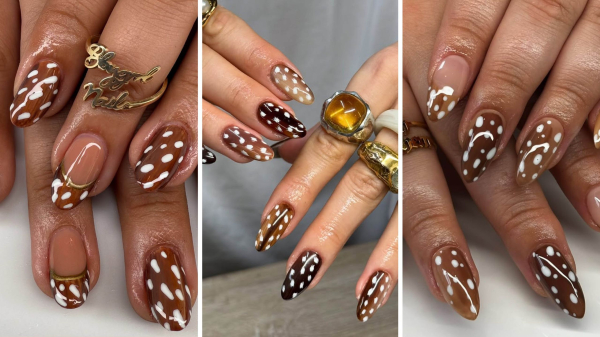
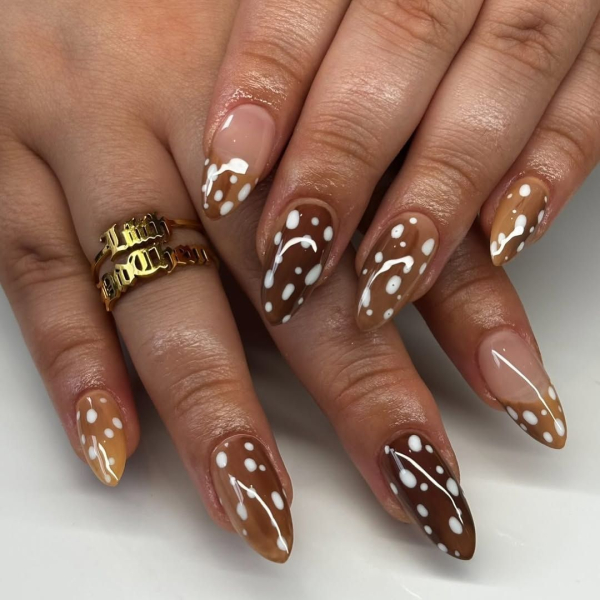
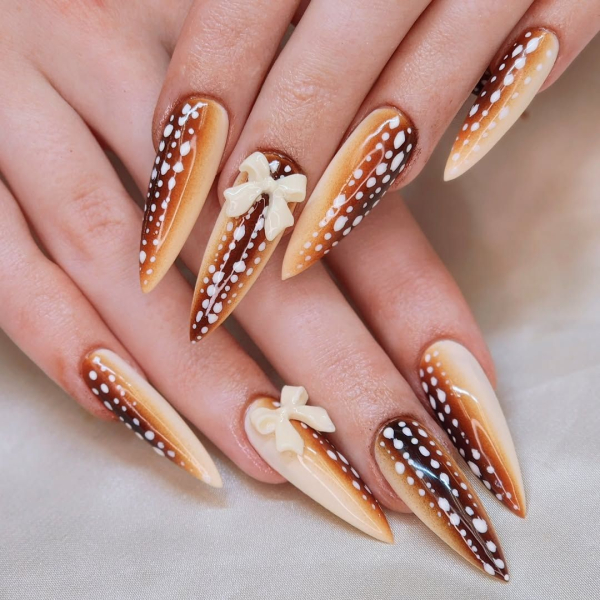
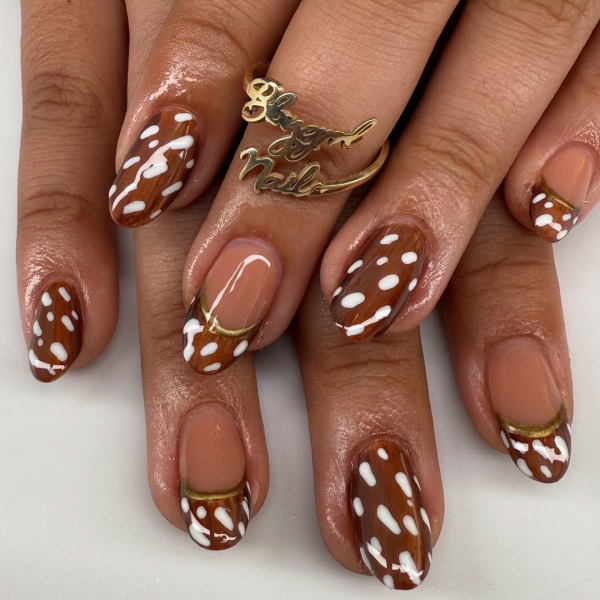
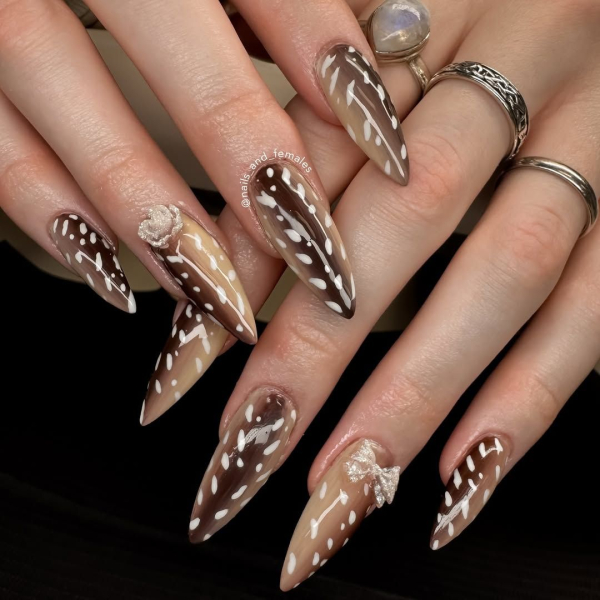
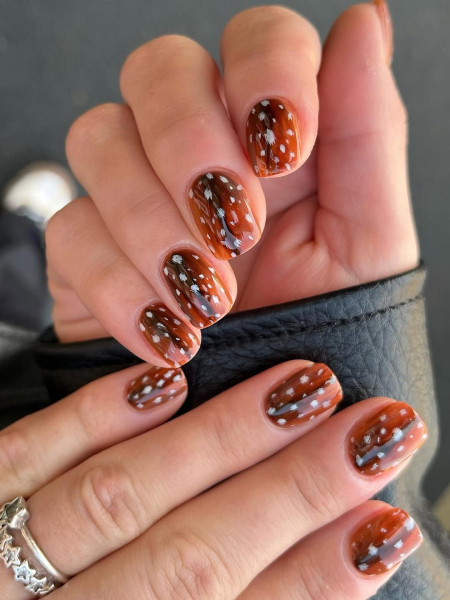
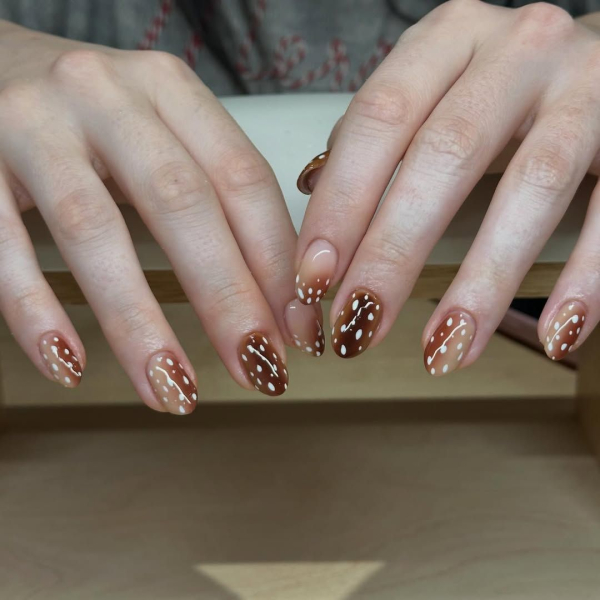
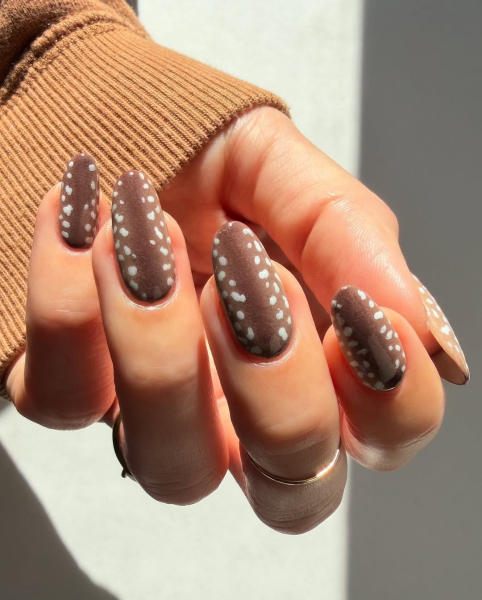
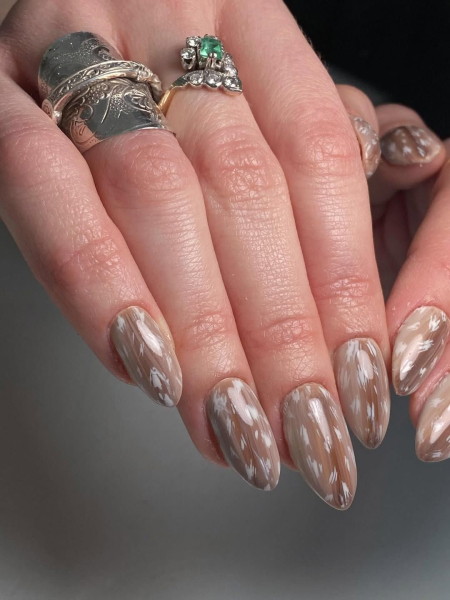
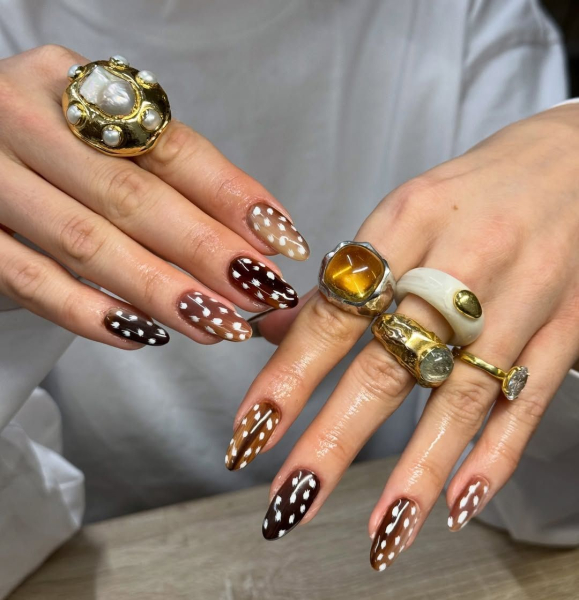
    Images of deer print nailsCourtesy of nail artists: @bbgrrlnails, _citre, @lilithdidthemSave StorySave this storySave StorySave this story

    Sure, it may be the year of the fire horse, but there’s another animal in the spotlight for 2026: the deer—more specifically, the fawn. The cutesy, docile creature that’s associated with Disney princesses and scenic woodland whimsy is inspiring the latest nail art trend. Deer print nails have been popping up all over our feeds in the past few weeks—and though the playful print isn’t one you often see in the nail space, deer-inspired manicures are as cute as they sound.

    Deer Print NailsCourtesy of @_citre

    The quirky print features a streaky base of brown tones topped with splotchy white dots that resemble the soft, spotted fur of a deer. Elizabeth Ridley, a nail artist based in Newcastle, United Kingdom, first saw the print last summer on show-goers at Copenhagen Fashion Week. “I was so excited to recreate it,” says Ridley. “I love how animal print in general is making a big comeback. I’m seeing it a lot in interiors at the moment too.”

    Queenie Nguyen, a nail artist in Los Angeles, says she’s also been seeing more animal print details “creeping into fashion lately.” She’s entirely correct: Earlier this year, spots and stripes have made their way from the runways into celebrity closets, including those of Katie Holmes and Sofia Richie Grainge.

    Nguyen continues in an Instagram post that “deer print feels like the perfect way to translate that [fashion trend] into nails. It’s soft, unexpected, a little nostalgic, and playful without trying too hard.”

    Katie Holmes attends the grand opening of Printemps wearing Deer Print DressGetty ImagesSofia Richie Grainge Deer Print JacketGetty Images

    Ridley says many of her clients are now asking for the look. And Julie Kandalec, a nail artist in New York City, says that beyond the cutesy vibe of the nail design, people love deer print nails because the look “combines three nail trends: shades of brown, polka dots, and animal prints.”

    Kandalec is spot-on (no pun intended): According to data from Fresha, a booking platform for beauty and wellness services, polka dot nails are the highest searched manicure. Deer print nails give classic polka dots a more rustic, fanciful feel as the precise dots are replaced with freehand splotches.

    While this design looks simple, it requires an artistic hand and quality nail tools. “A gradient and fine-tip brush are key to getting deer print nails right,” says Kandalec. There are different ways to approach creating this design (no two deer have the same spotted coat, after all). Ridley likes to create the base by blending different shades of cream and brown polish with a gradient brush (a thin nail brush with spiky bristles) to create the fur-like look and texture.

    You’ll want to take your time layering each shade and blending it all—if this step feels like you’re back in high school art class, you’re doing it right. Ridley recommends using gel polishes for a deer print mani, since the curing step locks each layer in, keeping them from blurring together and becoming a muddled mess.

    Once you’re satisfied with your base, both Ridley and Kandalec suggest using a thin, spiky brush to create teeny tiny dots all over each nail. The spacing is meant to be sporadic and natural-looking, so don’t obsess too much over the placement or shape of the dots. “I think this is what makes this print more interesting and textured,” says Ridley. You can opt for dainty deer specs or larger spots, but dots of varying sizes look most realistic.

    So if you’re in the mood for a nail set that blends trends, looks luxe, and feels different than what you’re used to, opt for a deer print mani at your next appointment. To get started on inspo, scroll ahead for all the deer print nails we’re putting on our Pinterest boards.

    Deer Nails Inspiration

    French Deer Print NailsDeer Print NailsCourtesy of @lilithdidthemCoquette Deer Print NailsDeer print nailsCourtesy of @AlicestryFrench Deer Print Nails With Gold ArchDeer print nailsCourtesy of @bbygrrlnailsDuo-Tone Deer Print NailsDeer print nailsCourtesy of @nails_and_femalesDark-Brown Deer Print NailsDeer print nailsCourtesy of @nailsbyheather.erringtonOmbré Deer Print NailsDeer print nailsCourtesy of @nailsbyheather.erringtonMatte Deer Print NailsDeer print nailsCourtesy of @thatglosssauceLight-Brown Deer Print NailsDeer print nailsCourtesy of @abbinail

  • Can You Use Azelaic Acid With Tretinoin? Dermatologists Weigh In.

    Can You Use Azelaic Acid With Tretinoin? Dermatologists Weigh In.

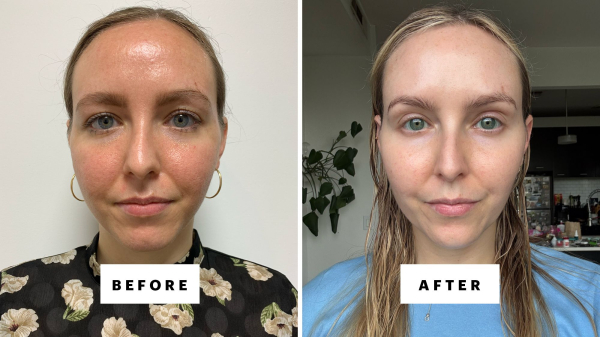
    A before and after image side by side of Allure editor Sarah Kinonen before using azelaic acid and tretinoin and after.Courtesy of subjectSave StorySave this storySave StorySave this story

    If there was an award for the hardest-working skin-care ingredient, tretinoin would undoubtedly be a frontrunner. A synthetic derivative of vitamin A, it’s long been considered the gold standard for treating everything from acne and hyperpigmentation to fine lines. But even this dermatologist-favorite ingredient can benefit from having a good sidekick. Lately, TikTokers and skin-care enthusiasts are making the case for using tretinoin with azelaic acid, a multitasking ingredient that can help address discoloration, redness—and even offset some of the irritation tretinoin can cause.

    Beverly Hills-based dermatologist Jessica Wu, MD, likens the tretinoin and azelaic acid pairing to a balanced workout routine. "It's like doing cardio plus strength training," she tells Allure, noting that many of her patients can't tolerate tretinoin alone. “They both help with acne, anti-aging, and pigmentation, so the combination is really appropriate for a wide range of patients. But,” she adds, “it has to be sequenced properly so you don't cause more irritation.”

    To help you reap the benefits—without overdoing it—we asked dermatologists and cosmetic chemists to explain exactly how to use tretinoin and azelaic acid together.

    In this storyAccordionItemContainerButtonLargeChevron

    • What is tretinoin?
    • What is azelaic acid?
    • What are the benefits of using tretinoin and azelaic acid together?
    • Why do dermatologists feel confident prescribing tretinoin and azelaic at the same time?
    • Are there any risks with using tretinoin and azelaic acid together?
    • How should you incorporate tretinoin and azelaic acid into your skin-care routine?
    • Are there specific concentrations/products that tend to be most effective?
    • What results can you expect when using tretinoin and azelaic acid together, and when will you start seeing them?

    What is tretinoin?

    Available by prescription only, tretinoin is a vitamin A derivative and is the only retinoid approved for treating signs of aging, whereas retinol is its over-the-counter alternative. “Tretinoin is considered the gold standard topical treatment for acne and one of the most well-studied ingredients for improving signs of photoaging, including fine lines, uneven pigmentation, and skin texture,” says Connie Yang, MD, FAAD, a board-certified dermatologist in New York City. The ingredient works by binding to retinoic acid in the skin, thus boosting cell turnover, stimulating collagen production, and improving things like acne, fine lines, and uneven texture.

    Tretinoin isn't just for mature skin; it's prescribed to patients of all ages for different reasons. Because it decreases oil production in the sebaceous glands, it's long been a go-to acne treatment and is often recommended for teenagers, according to Julie Russak, MD, a board-certified dermatologist and the founder of Russak Dermatology Clinic in New York City. Later in life, tretinoin is equally sought after for its ability to improve the appearance of wrinkles, fine lines, and discoloration by stimulating skin-cell turnover. Says Dr. Russak, “It helps our cells replenish the surface of the skin with newer, healthier cells.”

    According to Dr. Yang, a common misconception is that any irritation caused by tretinoin is because the formula is too strong. “The irritation isn't because tretinoin is damaging the skin, it's because it's asking your skin to work faster than it's used to,” she explains. “Tretinoin increases the rate at which your skin cells turn over and, while that's what makes it so effective for treating acne and improving signs of aging, it can also temporarily disrupt the skin barrier.” But as the skin adapts over several weeks, Dr. Yang adds, irritation typically improves while the benefits continue to build.

    What is azelaic acid?

    Azelaic acid is a naturally occurring dicarboxylic acid that's available in both prescription and over-the-counter strengths, Dr. Yang says. (Over-the-counter azelaic acid strengths are typically 10% or lower, while prescription formulas are available in 15% and 20% strengths.) “It's a multitasking ingredient that helps treat acne, reduce inflammation, fade post-inflammatory hyperpigmentation, and improve redness, all while targeting acne-causing bacteria,” she notes.

    Azelaic acid helps reduce inflammation by targeting several inflammatory pathways in the skin, while helping fade pigmentation by inhibiting the pigment-forming enzyme tyrosinase. “Inflammation in acne isn't one single event—it's a chain of signals, one step triggering the next,” says Dr. Russak. Essentially, azelaic acid interrupts that chain at multiple points. “It neutralizes unstable oxygen molecules that help set inflammation off in the first place,” she explains. “It reduces the signaling proteins that cells use to pass the inflammatory message to each other.” Meanwhile, azelaic acid reduces the activity of NF-kB, the main cellular trigger for inflammation and redness.

    For those prone to blemishes, the ingredient targets cutibacterium acnes (formerly known as propionibacterium acnes), a bacterium associated with acne. “It also interferes with how cells inside the pore stick together—which is the actual mechanism behind a clog forming—so it works not only on inflamed, angry breakouts but also on blackheads and whiteheads,” says Dr. Russak. Additionally, azelaic acid reduces keratin buildup in the skin’s outermost layer, helping dead skin cells shed more easily.

    Dr. Russak points out that azelaic acid's anti-inflammatory properties also make it a go-to for treating rosacea: “For rosacea-prone skin it inhibits kallikrein-5 and the cathelicidin gene, which lowers LL-37, a peptide involved in both inflammation and the vascular reactivity behind visible redness.” By targeting this pathway, azelaic acid can lessen the flushing and redness associated with rosacea.

    What sets azelaic acid apart from other ingredients is its versatility. Says Dr. Yang, “The reason I love azelaic acid is that it addresses multiple common skin concerns at once: acne, discoloration, and redness, all while causing much less irritation than most other active ingredients.”

    Another major advantage is its gentle nature. Unlike many acne-fighting ingredients, azelaic acid is generally well-tolerated, making it a great option for people with sensitive skin. It also stands out as one of the few topical skin-care ingredients widely considered suitable to use during pregnancy, according to Dr. Wu. By contrast, dermatologists advise against using tretinoin during pregnancy because of the potential risk of birth defects.

    What are the benefits of using tretinoin and azelaic acid together?

    Though this combination has recently taken TikTok by storm, it's hardly a new skin-care duo. “While it's a new trend on social media, dermatologists have been prescribing these medications together for decades,” says Dr. Yang. The reason is simple: The two ingredients complement each other. For example, if you're treating acne, tretinoin speeds up skin-cell turnover but doesn't kill acne-causing bacteria—a gap that azelaic acid helps fill, Dr. Wu explains. Conversely, azelaic acid isn't known to stimulate collagen production, whereas tretinoin does.

    The coupling is equally beneficial for concerns like hyperpigmentation, melasma, and sun damage. “Tretinoin helps normalize and speed skin-cell turnover, so pigment-containing cells are shed more efficiently over time. It can also help other topical treatments work more effectively,” explains Mona Gohara, MD, a board-certified dermatologist based in Hamden, Connecticut. “Azelaic acid more directly targets abnormal pigment production by inhibiting tyrosinase, an enzyme involved in making melanin. It also has anti-inflammatory properties, which is particularly helpful when inflammation is contributing to discoloration." An easy way to think about it is this, says Dr. Gohara: "Azelaic acid helps turn down the faucet of excess pigment production, while tretinoin helps move the pigment that is already there up and out more efficiently.” Because the ingredients address discoloration at different points in the process, they work exceptionally well together.

    Meanwhile, Dr. Russak notes, the benefits extend beyond treating acne and pigmentation. Because azelaic acid has anti-inflammatory properties, it can help minimize some of the irritation associated with tretinoin.
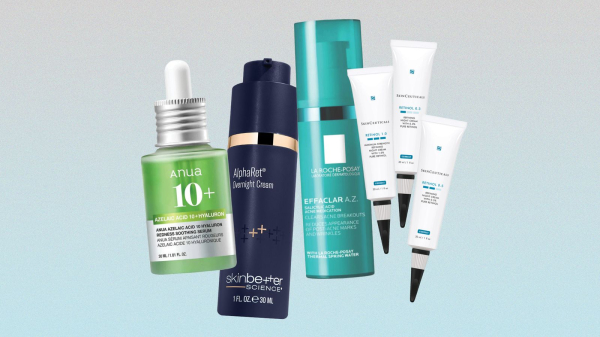
    If you want overthecounter options dermatologists recommend azaleic acid from Anua and La Roche Posay and retinol from...

    If you want over-the-counter options, dermatologists recommend azaleic acid from Anua and La Roche Posay, and retinol from Skinbetter and Skinceuticals.

    Photos: Courtesy of brands and subjects; Illustrations by AllureWhy do dermatologists feel confident prescribing tretinoin and azelaic at the same time?

    Individually, both tretinoin and azelaic acid have been studied extensively, whereas the combination has not—at least not to nearly the same extent, according to Dr. Russak. Nevertheless, while direct clinical trial evidence on the combination is limited, she says years of research on the individual ingredients, along with clinical experience and guideline support, make it a common and reasonable treatment at the disposal of dermatologists: “Both are individually endorsed in the 2024 American Academy of Dermatology guidelines; and the Delphi consensus among board-certified dermatologists goes further, recommending a topical retinoid as first-line therapy with azelaic acid added as an adjunct for patients dealing with acne-associated hyperpigmentation.” (The Delphi consensus is a structured method where a panel of skin experts answers anonymous questionnaires in multiple rounds.)

    In addition to the reasons mentioned above, tretinoin and azelaic acid don’t chemically react with each other, says Krupa Koestline, a cosmetic chemist and biotech innovator. “They don't share a reactive functional group [meaning the part of a molecule that can chemically react with another ingredient] that would cause degradation or an adverse reaction between them, the way, say, benzoyl peroxide oxidizes tretinoin.” In other words, the ingredients remain stable when used together; they don't chemically break each other down or reduce the other's effectiveness.

    Dr. Russak is comfortable prescribing the two ingredients together, in part because they tend to have different side effects. “Their side-effect profiles don't overlap in the same way,” she explains. With tretinoin, irritation shows up as scaling and redness, while azelaic acid manifests as a brief tingling or burning sensation right after application that’s usually gone within a few minutes.

    Are there any risks with using tretinoin and azelaic acid together?

    You generally don't want to pair tretinoin with other exfoliating acids like glycolic acid, mandelic acid (which are alpha hydroxy acids, or AHAs) or salicylic acid (which is a beta-hydroxy acid, or BHA), according to cosmetic chemist Ginger King. Azelaic acid is the exception, as King doesn't consider it an exfoliating acid.

    The issue is that when you use tretinoin alongside other exfoliating acids, you end up stacking acids that can all disrupt the skin barrier, says Dr. Russak, who adds that it's worth distinguishing glycolic and lactic acid from salicylic acid as they don't behave the same way. AHAs, like glycolic and lactic acid, work on the surface, exfoliating the outer layers of the skin.

    Using AHAs and tretinoin at the same time "can increase dryness, peeling, redness, and irritation,” says Dr. Gohara. “While removing surface cells can theoretically influence penetration, from a practical standpoint the bigger consideration is tolerability. You want tretinoin to work effectively without unnecessarily irritating the skin.” If you want to use both, and your skin can tolerate them, dermatologists recommend using them on alternate nights.

    BHAs, like salicylic acid, are oil soluble and work “especially well inside oily pores, while tretinoin normalizes cell turnover and helps prevent pores from being clogged in the first place,” says Dr. Gohara. “They can complement each other, particularly for acne-prone skin, but using both at the same time may increase irritation without necessarily giving you better results.” Again, the advice is to use them on different days or different times of the day, like a salicylic acid-based cleanser in the morning and tretinoin at night.

    When it comes to azelaic acid and tretinoin, “too much of a good thing isn’t always a good thing,” says Dr. Russak. Those with sensitive skin should proceed with caution when using the two ingredients together, as the combination may be too much for their skin to tolerate. As always, it’s important to see how your skin responds to the combination before going all in. “Make sure the barrier isn’t compromised, because if it is, it will be too irritating for the skin,” she adds.

    Don’t be surprised if your skin needs time to acclimate to the combination. “When used together, especially at the start of treatment, some people may experience dryness, peeling, redness, stinging, or a temporary increase in skin sensitivity,” says Dr. Yang. Because tretinoin tends to be the more irritating of the two ingredients, these reactions may be particularly noticeable as your skin adjusts to the retinoid.

    How should you incorporate tretinoin and azelaic acid into your skin-care routine?

    If this is your first time using either ingredient, Dr. Wu recommends starting with azelaic acid before introducing tretinoin if you have sensitive skin, since it's generally much gentler. For some people, she says, it can take up to a month for the skin to adjust to azelaic acid. And while many can tolerate using it daily from the start, those with sensitive skin should begin every other day, then increase to daily use after a week if they don't experience irritation.

    Alternatively, if your goal is to address comedones or clogged pores, Dr. Wu recommends starting with tretinoin first. She suggests applying it on Monday and Friday nights, initially; if you aren't experiencing irritation, add a third night, such as Wednesday, before gradually working up to nightly use. “If on a stable routine of tretinoin with no irritation after two weeks,” she says, “you could add azelaic acid. If you can't go past three nights a week, you can alternate azelaic acid in between. If you're already using tretinoin nightly, then add azelaic acid during the day.”

    Once your skin has gotten used to both ingredients, Dr. Wu recommends using azelaic acid in the morning and tretinoin at night to help minimize irritation. That said, you can layer the two ingredients if your skin can tolerate it; although, because tretinoin can increase sun sensitivity, it should only be used in the evening and always apply SPF 30 or above in the morning. If you do apply both in the same nighttime routine, start with the thinner formula. “If you have azelaic acid gel, that should go on before tretinoin cream,” says Dr. Yang.

    Now what about the rest of your skin-care routine when using both tretinoin and azelaic acid? Dr. Yang suggests you keep things simple: “In the morning, use a gentle cleanser, apply azelaic acid, follow with a moisturizer if needed, and finish with a broad-spectrum sunscreen,” she says. “In the evening, cleanse, let your skin dry completely, apply a pea-sized amount of tretinoin to the entire face, and follow with a moisturizer.” For those prone to irritation, this separates the two ingredients while still providing benefits from both.

    Are there specific concentrations/products that tend to be most effective?

    When incorporating tretinoin and azelaic acid into your routine, consult with your dermatologist, who can recommend the ideal strengths for your skin. Koestline says 0.025% tretinoin is a realistic starting point when pairing it with azelaic acid. While higher strengths, such as 0.05% and 0.1%, may be more effective, they also increase the risk of irritation. “For azelaic acid, 10% is a reasonable over-the-counter starting concentration; 15 to 20% (prescription-strength, as in Finacea/Azelex) is where most of the anti-inflammatory and pigmentation data comes from,” she adds.

    While tretinoin is available by prescription only, Dr. Russak recommends encapsulated retinol formulas for those who are looking for an over-the-counter alternative. She points to Skinbetter Science’s formulas as a favorite. Dr. Russak also likes SkinCeuticals' range of retinol strengths, which allow beginners to start with a lower concentration and gradually work their way up.

    For over-the-counter azelaic acid, Dr. Yang suggests Anua’s Azelaic Acid 10 Hyaluron Redness Soothing Serum and, for acne specifically, La Roche Posay’s Effaclar A.Z. Acne Face Gel. The formula you choose matters too. According to Dr. Russak, cream-gel formulations are good for acne-prone skin as they absorb easily and minimize pore blockage; creams, on the other hand, are typically better suited for people with rosacea or sensitive skin, as they're generally more moisturizing. She also recommends avoiding formulas that contain alcohol, which can further irritate already sensitive skin. Serum textures tend to work well for those with normal to combination skin.
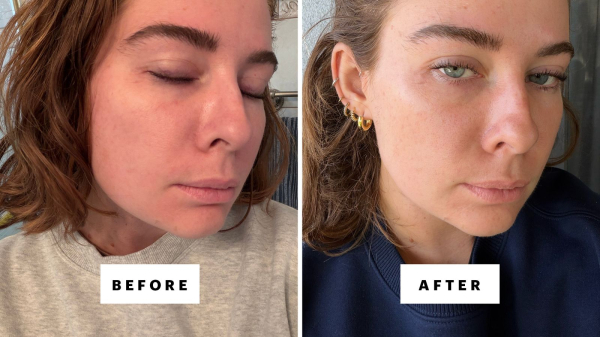
    Image may contain Accessories Earring Jewelry Head Person Face and Adult

    The writer before using tretinoin and azelaic acid together, and two-to-three weeks after using the ingredient combo.

    What results can you expect when using tretinoin and azelaic acid together, and when will you start seeing them?

    Everyone’s skin is different, but according to Dr. Wu, most people see results within about two weeks of consistent use. “You should start to see some skin looking clearer because both of them are starting to slough off the top layers of dead skin; there should be less dullness by two weeks,” she says. By the one-month mark, you should start to see some improvement in clogged pores, blackheads, and acne. “By two months,” Dr. Wu continues, “you should start to see improvement in pigmentation.”

    Allure beauty director, Sarah Kinonen, has firsthand experience with the pairing. Four years ago, Kinonen’s dermatologist prescribed tretinoin and azelaic acid to her after an acne consultation. “I was dealing with a couple of hormonal breakouts that would pop up every month during my period, plus redness from my rosacea,” Kinonen recalls. “So it was during that appointment that she put me on an oral drug and a handful of topicals: Altreno (tretinoin), azelaic acid 15% (Finacea), Soolantra (for rosacea), and 100mg of Spironolactone (for hormonal breakouts).”

    Kinonen says further that her skin needed time to adjust to the new lineup of topical treatments. “I had instant dryness and flaking, but I soon learned to balance them out: azelaic acid (twice a day, every day) and tretinoin (every other night),” she explains. “On nights when I use the tretinoin and azelaic acid together, I first apply a dime-sized dollop of tretinoin, wait a beat for it to dry, then layer on a hydrating serum as a barrier before going in with my azelaic acid (also a dime-sized dollop). It's the sandwich technique, and it really does help prevent dryness or peeling days later.” She follows that with a moisturizer and an occlusive balm to lock in hydration.
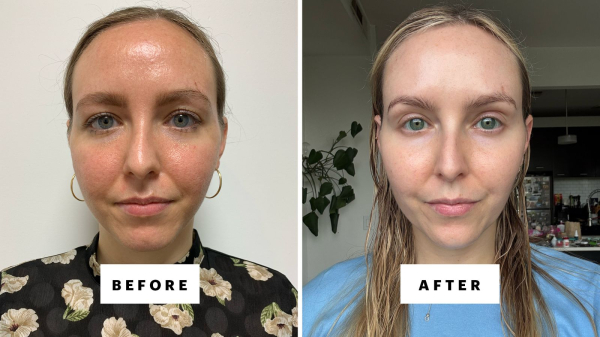
    A before and after image side by side of Allure editor Sarah Kinonen before using azelaic acid and tretinoin and after.

    Allure beauty director, Sarah Kinonen, before starting on tretinoin and prescription azelaic acid, and TK TIME after.

    Courtesy of subject

    Kinonen notes, too, that the results didn’t happen overnight—it took her a few months to notice a significant difference in her skin. “I didn't have any breakouts—and I haven't had any since, if you can believe it. It's been four years!” she says, pointing out that her results weren’t solely from tretinoin and azelaic acid. “I do think my other medications (Spironolactone and Soolantra) are also a big reason I haven't had any irritations, but the tret and azelaic acid have become non-negotiable powerhouses in my routine.”

    After hearing TikTokers wax poetic about the combo, I decided to try it myself. Following my dermatologist’s recommendation (and because I'd never experienced irritation while using tretinoin in the past), I opted for 0.025% tretinoin (the same strength I used a few years ago) at night, along with 15% azelaic acid in the morning. Right away, I was pleasantly surprised by my skin’s reaction: no dryness or discomfort. Although it’s been only two weeks since I added the duo to my routine, I’ve already noticed less redness, dullness, and hyperpigmentation, as well as smoother skin texture. Time will tell how my skin continues to respond to this regimen, but so far, it’s easy to see why TikTokers and dermatologists swear by the combo.

  • How to Get a Flawless Slicked-Back Bun—With Photos and Videos

    How to Get a Flawless Slicked-Back Bun—With Photos and Videos

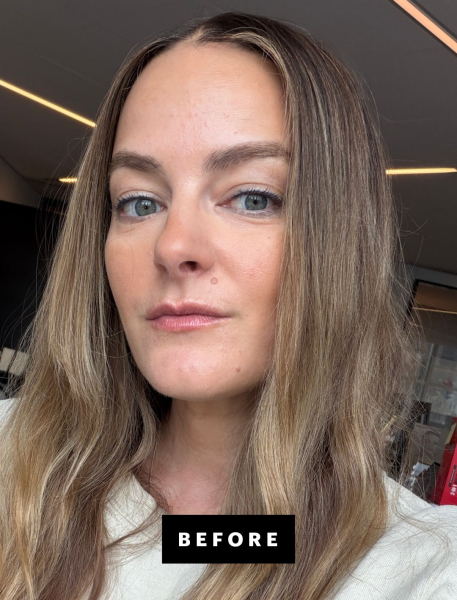
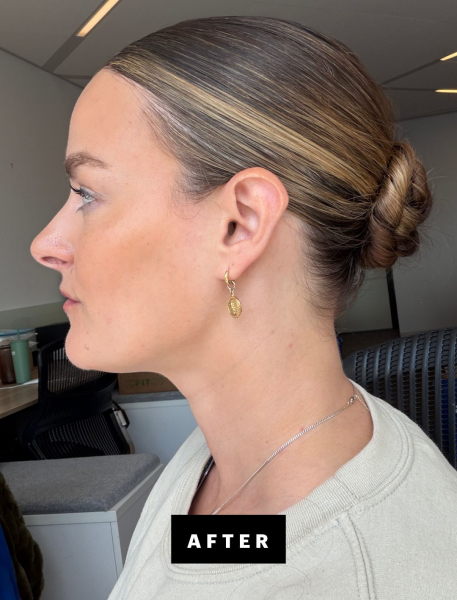
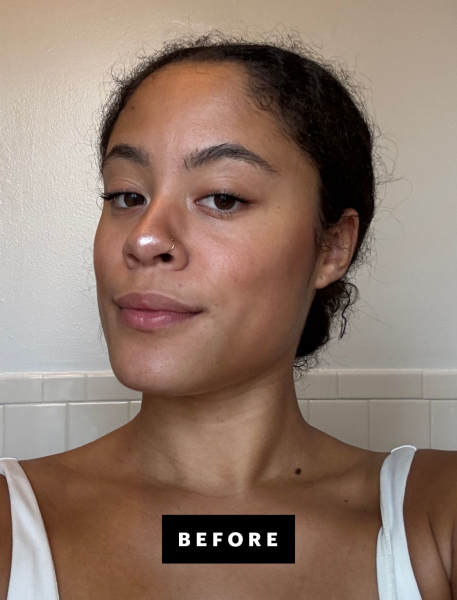
    Allure Editors in slickedback bunsSave StorySave this storySave StorySave this story
    A slicked-back bun looks simple. In theory, you create one by just pulling your hair back and twisting it into a knot. Voilà: instant model-off-duty elegance, right?

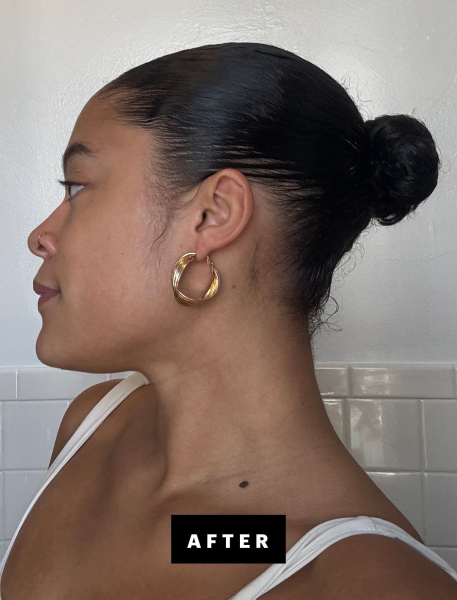
    In reality, you’re standing in front of a mirror a half hour after you were supposed to be out the door with a mysterious bump and countless flyaways. The entire point of the style is for every strand to look intentionally (and impossibly) in place, which can make achieving it feel like a test of both patience and upper-body strength.

    Despite the frustrations that come with creating one, a truly sleek bun doesn't require growing a third arm and relentless yanking of your strands. The right styling products and tools from prep to finish will do most of the work. We spoke with hairstylists and Allure editors who regularly wear their hair in the updo about what makes the difference between a smooth, polished bun and a messy, uncooperative lump. Ahead, they break down exactly which products to use at each step, with tips tailored to different hair types.

    Meet the experts

    • Taylor Carter is a hairstylist based in Boston.
    • Justine Marjan is a hairstylist based in Los Angeles.
    • Chris Russell is a hairstylist based in Los Angeles.
    • Mandee Tauber is a hairstylist and principal artist of global content at Oribe.
    • Kee Taylor is a hairstylist based in Philadelphia.

    Prep

    To get the best results, you can’t just jump into yoinking back your strands. If you prioritize the prep process and tailor it to your hair type, you can help ensure a smoother experience with less damage. Hairstylist Chris Russell recommends first spritzing your strands with a heat-protectant spray, then rough-drying your hair. (The Bumble and Bumble Heat Shield Thermal Protection Hair Mist is one of our favorites for reducing frizz and defending against breakage.) Then he suggests running a thermal brush (like the Sutra IR Infrared Thermal Brush) through your hair, saying it helps ensure “even texture, controlled shine, and a seamless finish before pulling your hair back.”

    Our resident slicked-back-bun pros and Allure editors don’t all reach for a hot tool after drying their hair. Allure content director Sophie Panych, whose hair is naturally fine and straight, will occasionally touch things up with a flat iron. Social media manager Bianca Richards, who blew out her thick, naturally wavy hair before creating her slicked-back bun, says she reaches for the Wavytalk Thermal Brush for added sleekness. Commerce production assistant Hailey Roy, who has 3C curls, actually skips a hot tool altogether. “I’ve always done slicked-back buns with my natural hair,” she says, adding that she tries her best to keep her strands away from heat.

    Content director Sophie Panych creates her middle part

    Social media manager Bianca Richards smooths her hair with a thermal brush

    Commerce production assistant Hailey Roy massages hair oil into her curls

    If your hair is feeling dry, hairstylist Kee Taylor recommends smoothing a lightweight oil through the midlengths and ends to improve manageability and shine. “A little goes a long way, especially on finer hair,” she says. (Roy likes to go in with Rōz Santa Lucia Heat Protectant Styling Hair Oil to lock out humidity and add shine.) Hairstylist Justine Marjan also suggests keeping curly-coily hair slightly wet with water to help with detangling and pulling it back with a wide-tooth comb.

    Pull your hair back

    Panych uses two types of brushes to pull back her hair

    Richards uses a comb and brush to pull back her hair

    Roy separates her hair into two sections with a comb before pulling it back

    Ask any of the stylists for the biggest mistake people make when creating a slicked-back bun, and you’ll hear the same answer: trying to brush everything back in one pass. Instead, they recommend building the style section by section. How you do so is up to you, but hairstylist Mandee Tauber has a few tips: She suggests starting by creating a radial part from the crown of your head to the tops of the ears, dividing the hair into a top and bottom section, before styling the bottom first while the top remains clipped up. Roy finds that the pointed end of the Donna Professional Parting Pin Tail Comb makes it easy to create even sections.

    On straight or straightened hair, Tauber applies a pomade stick (we love BondiBoost Strawberry Gum Grip Styling Stick for its ability to create hold without flakiness) directly along the hairline before using a boar bristle brush (like the Denman D81M Style & Shine Hair Brush), focusing on “condensing and refining” the hair with long, controlled strokes. “Boar bristles create the tension needed to stretch and smooth the strands,” Taylor explains.

    Richards uses a comb and a brush—the Cécred Parting Tail Comb and La Bonne Brosse N.01 The Universal Brush—to ensure nothing pokes out. Once the first section is smooth, she secures it into a small ponytail with an elastic before releasing the top section and repeating the process.

    For curly and coily hair, Taylor advises working in even smaller sections, “smoothing each one individually before gathering everything together. This helps preserve control without overworking the hair.” Instead of a pomade stick, Tauber recommends using Oribe Gel Sérum on coils, applying a generous amount around the hairline before smoothing it back with a boar bristle brush. If additional hold is needed, Marjan recommends spraying Paul Mitchell Firm Hold Super Clean Extra Hairspray on the roots and brushing back before wrapping a second elastic around everything.

    That may seem like a lot of product, but it’s actually the healthier approach, according to Taylor. “The key is to let the brush and styling product do most of the work rather than pulling excessively tight,” she says. That way, you avoid unnecessary stress on the scalp.

    Russell likes to position the ponytail at the crown with the direction of the hair running parallel to the cheekbones. He says the higher placement creates a natural lifting effect and gives the face “a more sculpted, snatched appearance.” That said, a slicked-back bun works both high and low, so placement is a matter of personal preference.

    Make adjustments

    Richards uses hair oil to smooth her ponytail

    Before turning the ponytail into a bun, hairstylist Taylor Carter recommends preparing it for volume. She dusts texturizing powder (we’re fans of IGK Beach Club Texture Powder because it disappears into hair while encouraging oomph) throughout the ponytail before teasing small sections individually. Once the interior has enough fullness, she lightly smooths only the outside layer and finishes with Color Wow Pop & Lock Serum. Richards loves E.L.F. Gloss Mode Treatment Oil for giving hair that extra-gleaming look. The technique creates extra grip while maintaining a shiny exterior and preventing the bun from looking flat.

    If you’re after a more compact bun, Tauber suggests that those of you with straighter hair brush your chosen wax or gel stick through the length of the ponytail. On curly or coily hair, she says to lightly mist the ponytail with water before applying a hair gel. (We like Odele Flex Hair Gel for its ability to keep hair sculpted without getting rock-hard.)

    This is the time to make tweaks. “Detailing the hairline is what takes a sleek bun from good to great,” he says. Before twisting your ponytail into a bun, he says to use a flat iron to refine the hairline before perfecting baby hairs with a toothbrush-like detailing tool. The Tymo Flaight Holo iron and the DAE Dual-Edge Styling Brush make a winning team for this—the iron fights frizz without tugging, while the synthetic boar-like bristles of the teensy-tiny brush erase flyaways.

    Wrap and secure your bun

    Richards secures her bun with an elastic

    Roy twists her ponytail into a bun and secures it with an elastic

    Although every stylist we spoke with twists the ponytail before wrapping it into a bun, the way they build and secure that bun varies depending on hair texture and the end result they’re after.

    Tauber twists the entire ponytail into one tight rope before wrapping it around the base. On straighter hair, she tucks the ends underneath and secures the bun with a large U-pin, weaving it through the outer edge of the bun, into the base, and back through the bun so it provides support while remaining virtually invisible. For curly and coily hair, she skips the U-pin, wrapping a large elastic around the completed bun instead.

    Panych, who has a background in dance and years of creating ballerina buns under her belt, takes what she considers a more streamlined approach to creating the bun: Instead of separating her hair into two ponytails, she splits a single ponytail into two parts. "In ballet, you don't want this big, knob-like donut thing on your head," she says. "Separating the ponytail helps it lie flatter." After dividing her ponytail and clipping up one section to keep it out of the way, she starts twisting the other section and wraps it around the elastic, doing almost a full loop. She then unclips the other section and begins twisting it into the first, continuing the wrapping process and pinning with U-pins as she goes. “I find that it keeps it more secure because you've got both internal and external pins.”

    Panych separates her ponytail into two sections, twists them into a bun, and secures her style with U-pins

    Russell intentionally leaves the last inch or two of the ponytail exposed after wrapping the bun. “I like giving it a little personality,” he says. “It keeps the look modern.”

    Finish

    The final step is about adding hold and refining the details that make a slicked-back bun look professionally styled. Taylor applies a few drops of Cécred Restoring Hair & Edge Drops to smooth frizz and add shine without stiffness, while Carter finishes with Davines This Is a Dry Wax Finishing Spray, which locks the bun itself into place while preserving a soft texture. Richards likes to touch up her hairline with the Rizos Curls Sleek Styling Cream + Taming Wand, and Roy gives the base of her hair a final slick-down with Got2B Glued Styling Spiking Glue.

    For coily hair, Marjan offers one extra tip: “After styling, sometimes I like to wrap the hairline in a silk scarf for at least 20 minutes to set the style and prevent any frizz or flyaways.”

    Sophia PanychPanych has naturally straight hairCourtesy of subjectSophia Panych profile view of a slick bunPanych wearing a sleek, middle-parted bunCourtesy of subjectBianca RichardsRichards has naturally thick, wavy hairCourtesy of subjectBianca Richards wearing a sleek bunRichards wearing a sleek bunCourtesy of subjectHailey RoyRoy has 3C curlsCourtesy of subjectA profile view of Hailey Roy's sleek bunRoy wearing a mid-height slicked-back bunCourtesy of subject

    These hairstylist- and editor-approved methods take the guesswork out of a slicked-back bun, but remember: It still requires some practice before you can go on autopilot. As long as you don’t give up after a few frustrating styling sessions, you’ll find yourself wearing an expert-level sleek bun on a regular basis.

  • Neko Health, the Full-Body Scan, Is Coming to the US

    Neko Health, the Full-Body Scan, Is Coming to the US

    Image may contain Indoors Interior Design Furniture Table Computer Hardware Electronics Hardware Monitor and ScreenNeko Health, the buzzy full body scan in the U.K. and Europe, is coming to the U.S.Courtesy of brandSave StorySave this storySave StorySave this story

    Commercial full-body scans are all over your social feeds. They’ve been plugged by Kim Kardashian, Kate Hudson, Cindy Crawford, and more, but it’s hard to deny that they come with a hefty price tag. Now, a new company is debuting in the US, and its scan is a fraction of the cost of the competition.

    The company, Neko Health, is launching in New York City after having multiple locations in Sweden and the UK. Neko Health’s signature scan will be $499. By comparison, a scan from celebrity-endorsed Prenuvo starts at around $1,200, with prices stretching up to $4,000 for more in-depth imaging.

    Neko Health's service does more than scan your body—it involves a blood test, skin check, and other biomarkers, like blood pressure and heart rate. The company also doesn’t use MRI technology, which many others rely on; instead, it uses 2D cameras, thermal cameras, and depth sensors, along with other health metrics, to paint a picture of your physical health.

    The benefits of such scans are debated (more on that later), but the interest in them remains high. Neko says they’ve had more than 350,000 wait-list entrants globally, so the appeal of a full-body picture of your physiology clearly extends worldwide. “New York felt like the right place to bring that idea to the US,” says cofounder and chief executive officer Hjalmar Nilsonne. “It’s a city where people are used to having access to the best of everything—and we think health care should be no different.” Ambitions for broadening the scan's availability stretch to Miami, Washington, DC, and San Francisco, says the company.

    The drive behind all the interest in commercial scans is likely linked to the general public's desire to lead longer, healthier lives, according to Ernest Hawk, MD, head of the division of Cancer Prevention and Population Science at the University of Texas MD Anderson Cancer Center. “The whole population has learned that screening detection can be important for preventing cancer,” he says. “There's a hope that doing a whole-body evaluation might help people to identify things in an asymptomatic stage and thereby improve outcomes.” Couple that with strong social media campaigns, adds Dr. Hawk, and it's easy to see why Americans are suddenly into the idea.

    Instagram content

    Neko Health is tapping into that. “We started Neko Health with a simple belief: Understanding your health shouldn't mean waiting until something feels wrong,” Nilsonne tells Allure. “Our goal has always been high-quality preventive health care for everyone—and that means building the technology and clinical approach to make it genuinely accessible.”

    While the field of commercial full-body scans includes companies like SimonMed and Function (which recently acquired fellow scanning company Ezra), many health care providers still aren’t convinced this is something the average American needs.

    Every commercial scanning company offers something slightly different.

    Prenuvo is one of the most popular companies and has a wide range of celebrity endorsements. The company offers a variety of screenings, including a head-to-thigh scan and blood test; a whole-body scan with a body-composition analysis; brain scan; and heart health scan.

    Function/Ezra MRI, as part of its lowest-cost offering, will scan your head, neck, abdomen, and pelvis. Its top offering conducts MRI scans of nearly everything. You can tack on CT scans of your heart and lungs for additional costs.

    SimonMed conducts a wide range of scans, from a “core” MRI scan to the core scan, along with head, neck, and spine imaging.

    These scans are offered across the US: Prenuvo has locations in several major cities, including Washington, DC, Los Angeles, and New York; Ezra offers services in 40 states; and SimonMed is heavily concentrated in Florida, Arizona, Texas, and California.

    Instagram content

    These scans aren’t endorsed by any major medical association.

    The American Medical Association (AMA) notes that these scans “have not been scientifically validated for screening purposes,” and stresses that research is needed to see if they’re worth your time and money.

    An editorial in the Journal of the American Medical Association, published in May, warns that the use of commercial full-body scans should be “buyer beware.” And the American College of Radiology said in a 2023 statement that the organization “does not believe there is sufficient evidence to justify recommending total-body screening for patients with no clinical symptoms, risk factors, or a family history suggesting underlying disease or serious injury.”
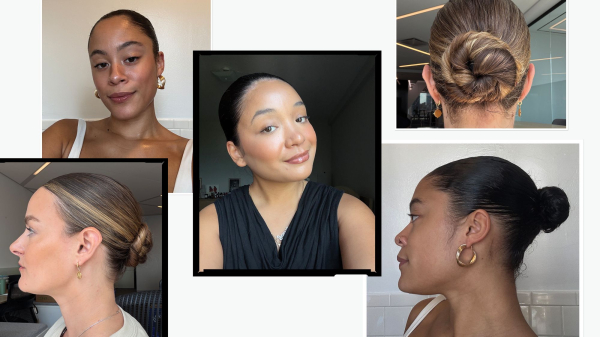
    Despite the lack of endorsements by the medical community, it’s hard to ignore some of the “success stories” that have come out of these scans. Last year, Emmy Awards executive producer Dionne Harmon revealed that a Prenuvo scan she had after seeing Kardashian’s endorsement detected her stage 3 lung cancer; Harmon had no symptoms at the time. Kardashian revealed that her scan detected a small brain aneurysm, which led to her getting other brain scans. (It’s not clear if she needed medical intervention beyond that.)

    Doctors are still wary of commercial full-body scans.
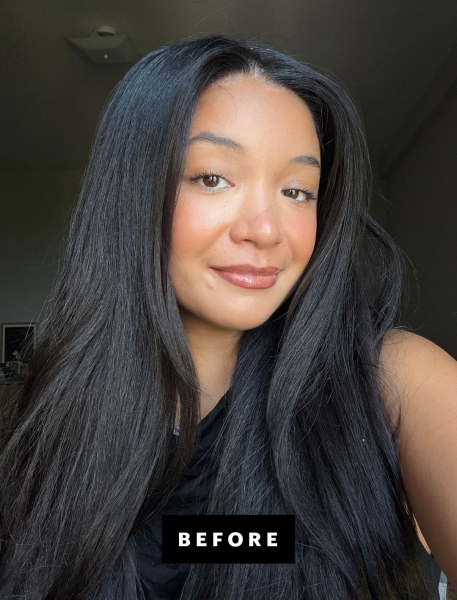
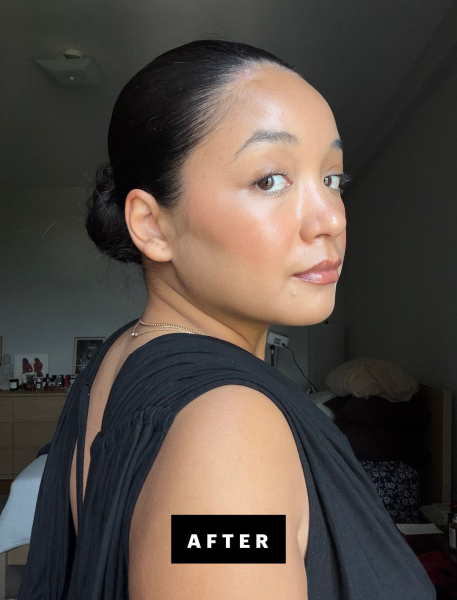
    Many argue that most people just don’t need these scans. “The whole-body MRI is indicated and makes sense in those that have known high-risk for diseases that are better detected by MRI—most tumors,” says Alexander McKinney, MD, chair of radiology at the University of Miami Health System. “However, the thing most people are five to seven times more likely to die from is cardiovascular causes, for which CT is better to detect those risk factors.” (Again, while some commercial scanning companies allow you to tack on CT scans, they’re not often built into the original packages.)

    Breast cancer is also not typically detected through these scans, points out Richard Reitherman, MD, PhD, radiologist and medical director of breast imaging at Memorial Care Breast Center at Orange Coast Medical Center in Fountain Valley, CA. “Since whole-body MRI is not a contrast-enhanced study, it is especially not effective in screening for breast cancer,” he explains.

    Dr. Reitherman also has concerns that some people will assume they’re healthy after having a commercial full-body scan and, as a result, skip scientifically validated screening tests. “The population that uses whole-body MRI as a substitute for specific proven screening tests such as contrast-enhanced breast MRI or CT scanning for lung cancer is at significant risk,” he says.

    It is possible that a commercial full-body scan could detect a serious underlying health condition, says Dr. Hawk. “But there is an absence of conclusive evidence that it improves outcomes for anyone,” he adds. “Scientists measure benefit in terms of reduction of mortality. None of that exists at this point.”

    Dr. Hawk also has concerns about the initial price of these scans, along with costs that someone may face if the scan detects something that may not be a big deal. “Any time a patient is in a screening program," he says, "you run the risk of finding something that may not be consequential in terms of improving the quality or length of someone’s life.”

    These scans may also miss the full picture of a person’s health, Dr. McKinney says. “Whole-body MRI sounds sexy and can pick up most—not all—larger, actionable tumors and dementia, but it also tends to pick up many benign things that don’t need to be worked up,” he explains. “CT screening—lung, heart, vascular, stroke risks—picks up things that most of the population is much more likely to die from.”

    If you have the budget for a full-body scan and are okay with the possibility of unnecessary follow-up scans, Dr. Hawk says you’re unlikely to be harmed by trying it out. “Indeed, it may find disease at an earlier stage and permit strategies to prevent the development of cancer,” he says. “There is that potential benefit. We just don’t have data yet on how beneficial this will be. In the future, I hope these are proven to be impactful and helpful.”